


Architectural Lighting Design for Listed and Historic Building
How do you light a heritage building?
Lighting a heritage building requires a balance between preservation, visibility and atmosphere.
The aim is not to illuminate everything, but to reveal the architecture with restraint—working with the building rather than imposing on it.
This typically means using low-impact techniques, carefully controlled light levels and a considered approach to placement and detail.
Respecting the architecture
Historic buildings carry their own language.
Materials, proportions and detailing have developed over time, and lighting must respond to that rather than compete with it.
In practice, this means:
- Avoiding overly bright or uniform lighting
- Working with shadows as well as light
- Allowing key features to emerge naturally
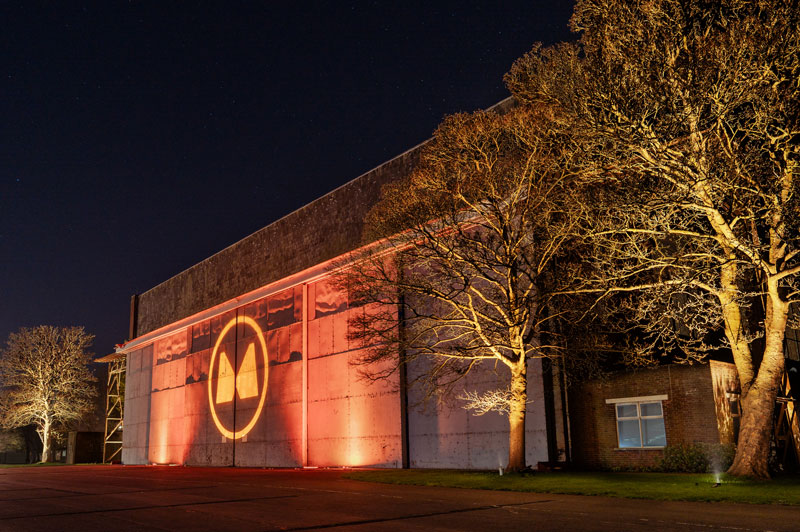
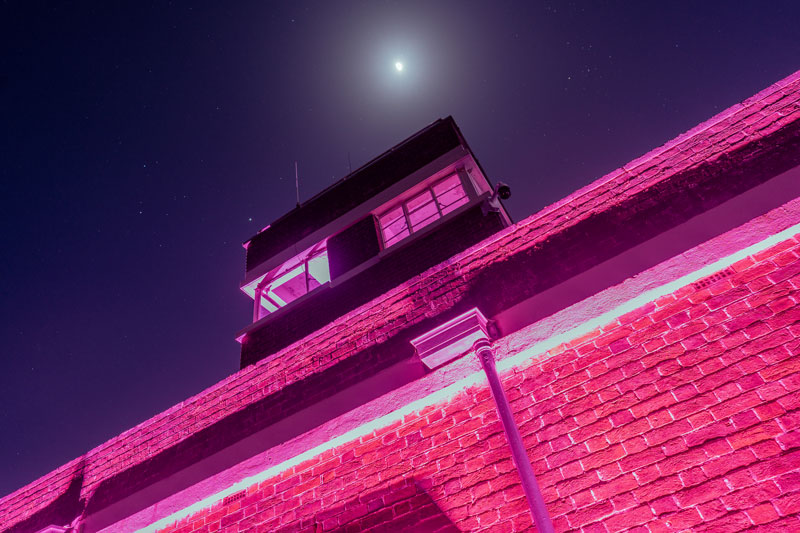
At Bicester Motion, for example, the scale of the hangars was balanced by drawing attention to the surrounding landscape rather than the structure alone.
Minimising intervention
One of the key principles in heritage lighting is minimal intervention.
Where possible, lighting should:
- Avoid invasive installation
- Use existing structures or external positions
- Be reversible and low impact
This is particularly important for listed buildings, where preserving the fabric of the architecture is essential.
Using layered lighting
Layered lighting is fundamental to heritage projects.
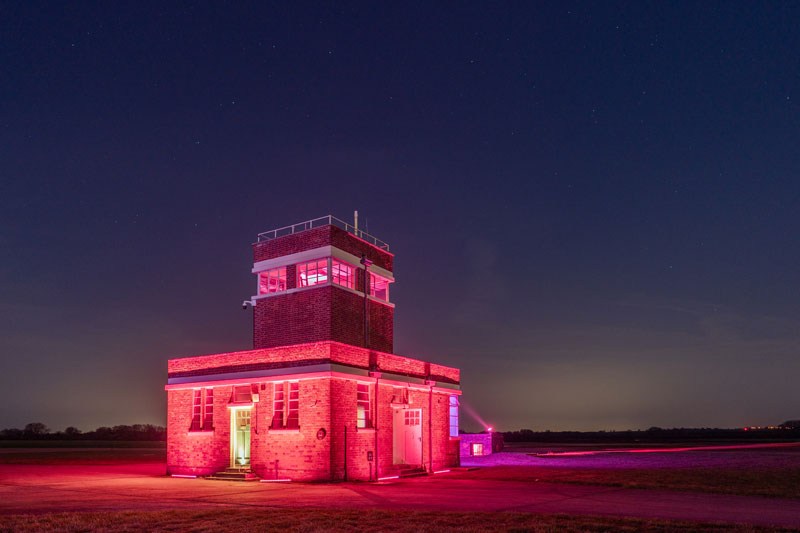
Rather than a single light source, a combination of techniques creates depth and clarity:
- Ambient light to define the overall space
- Accent light to highlight architectural detail
- Subtle contrast to guide the eye
This approach allows buildings to be read clearly at night without over-lighting them.
Revealing material and texture
Heritage buildings often rely on material richness—stone, brick, timber—to define their character.
Lighting should enhance this.
Techniques such as grazing light can reveal surface texture, bringing out detail that is often lost in daylight.
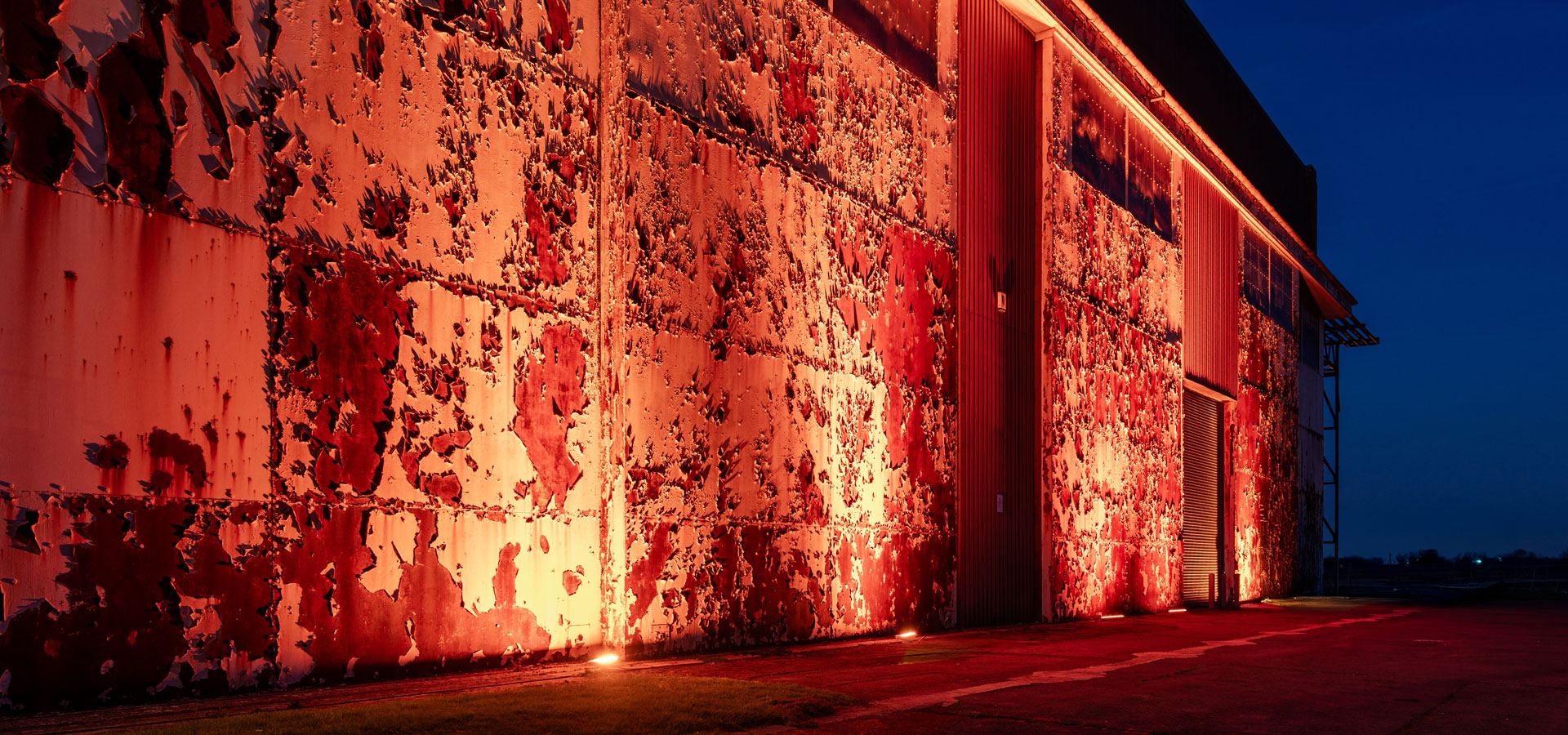
At Bicester Motion, grazing light across aged surfaces revealed layers of material history, adding depth without introducing unnecessary visual noise.
Working at different scales
Heritage lighting rarely operates at a single scale.
It must consider:
- Individual architectural features
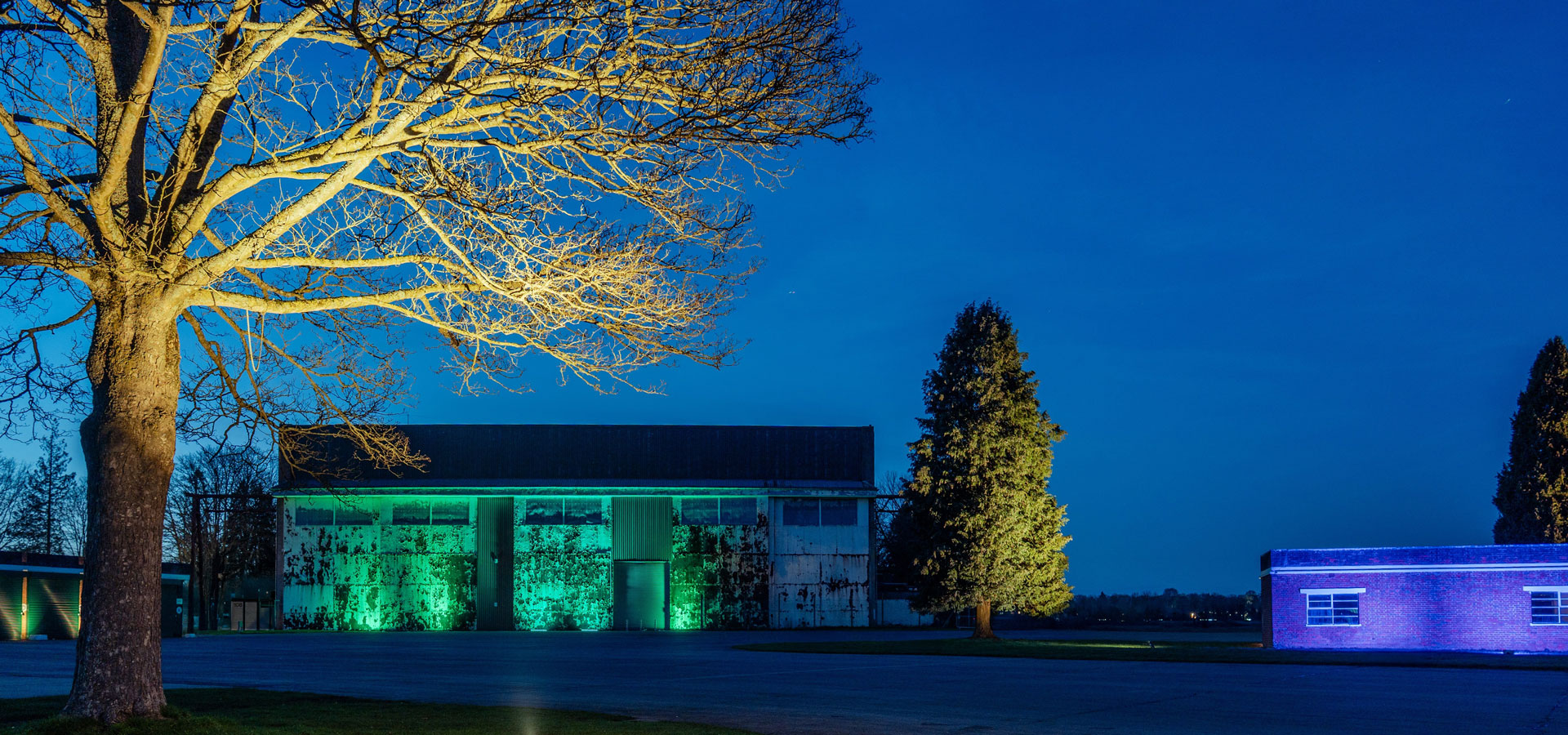
- Entire building elevations
- The wider landscape and setting
Creating hierarchy is essential—foreground, midground and background all play a role in how a site is experienced.
Balancing performance and atmosphere
Heritage buildings are often multi-use spaces.
Lighting must support:
- Wayfinding
- Safety
- Functional use
While still maintaining atmosphere and architectural integrity.
This balance is particularly important in projects such as Trinity College Oxford, where teaching, performance and social spaces coexist within a historic setting.
Lighting heritage responsibly
Responsible lighting design considers not only architecture, but also environment.
This includes:
- Limiting light spill
- Protecting dark skies
- Reducing energy consumption
A well-designed scheme enhances visibility and experience without contributing unnecessary brightness.
In summary
Lighting a heritage building is not about adding more light.
It is about using light with precision—revealing architecture, supporting use and maintaining the integrity of the space.
The most successful schemes are often the least obvious.
Work with us
Light House Designs is an independent architectural lighting design consultancy working across Oxford, Oxfordshire, the Cotswolds and London.
We specialise in heritage, residential and hospitality lighting design.