


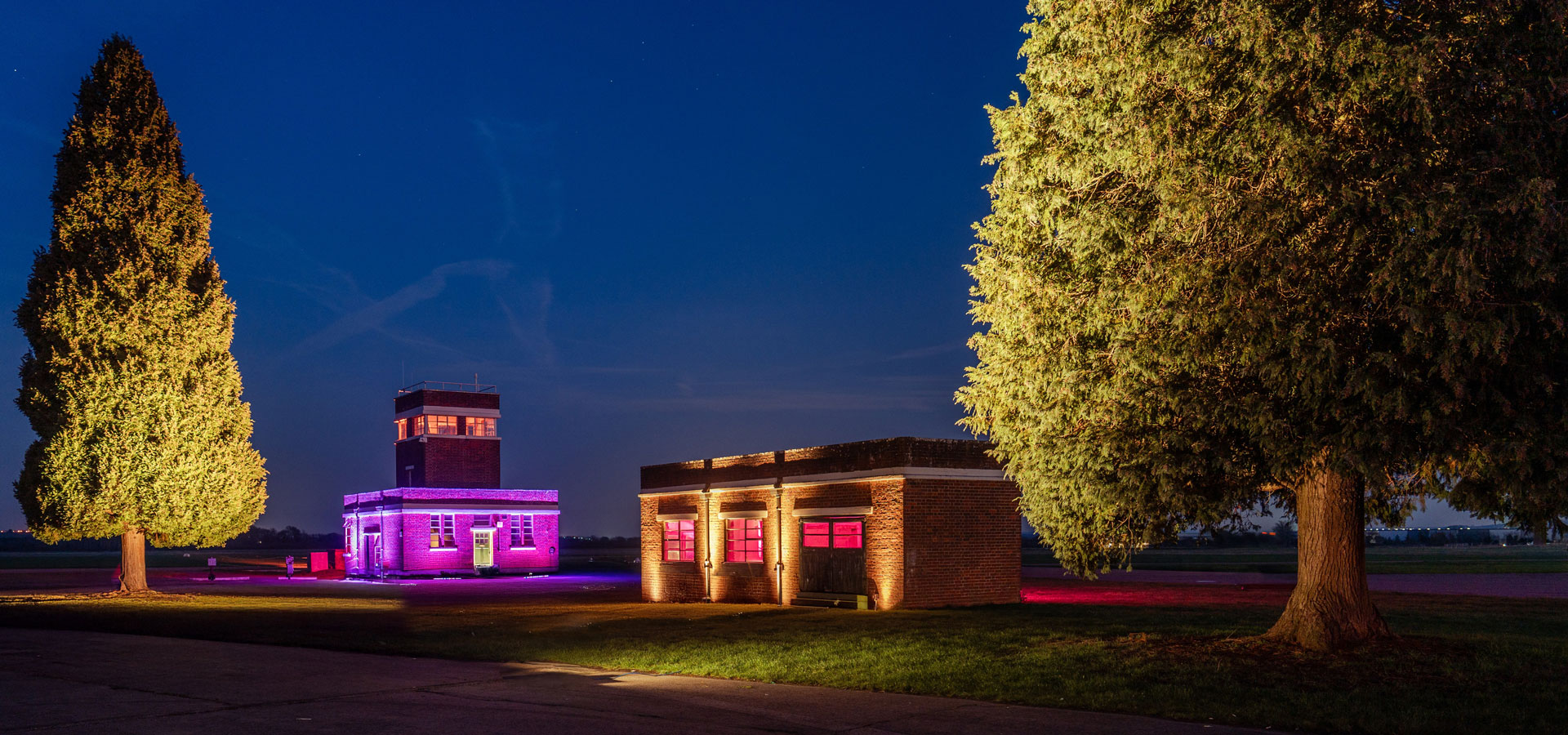
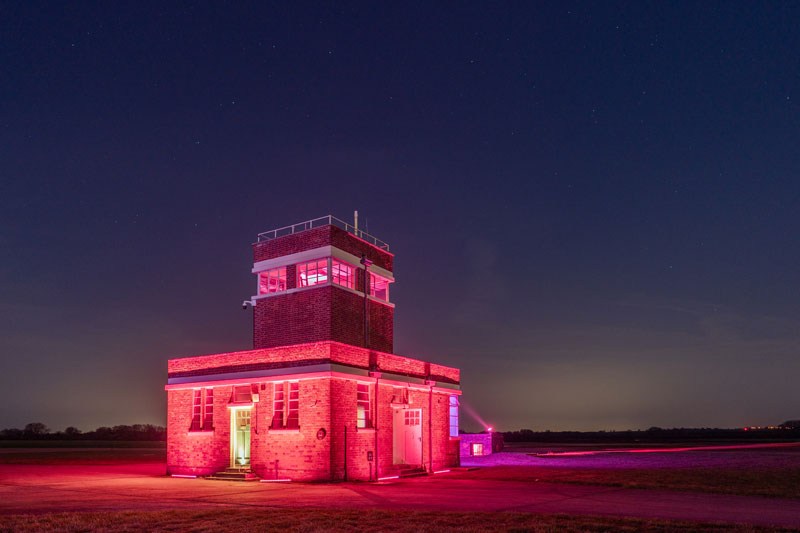
Light House Designs was commissioned to develop a sensitive lighting scheme for a collection of historic buildings at Bicester Motion, Oxfordshire.
The project spans large aircraft hangars, the watch office and surrounding structures. The challenge was to create a cohesive night-time identity while preserving the character and integrity of the site.
The approach focused on using light to reveal architecture, rather than compete with it.
Design Intent
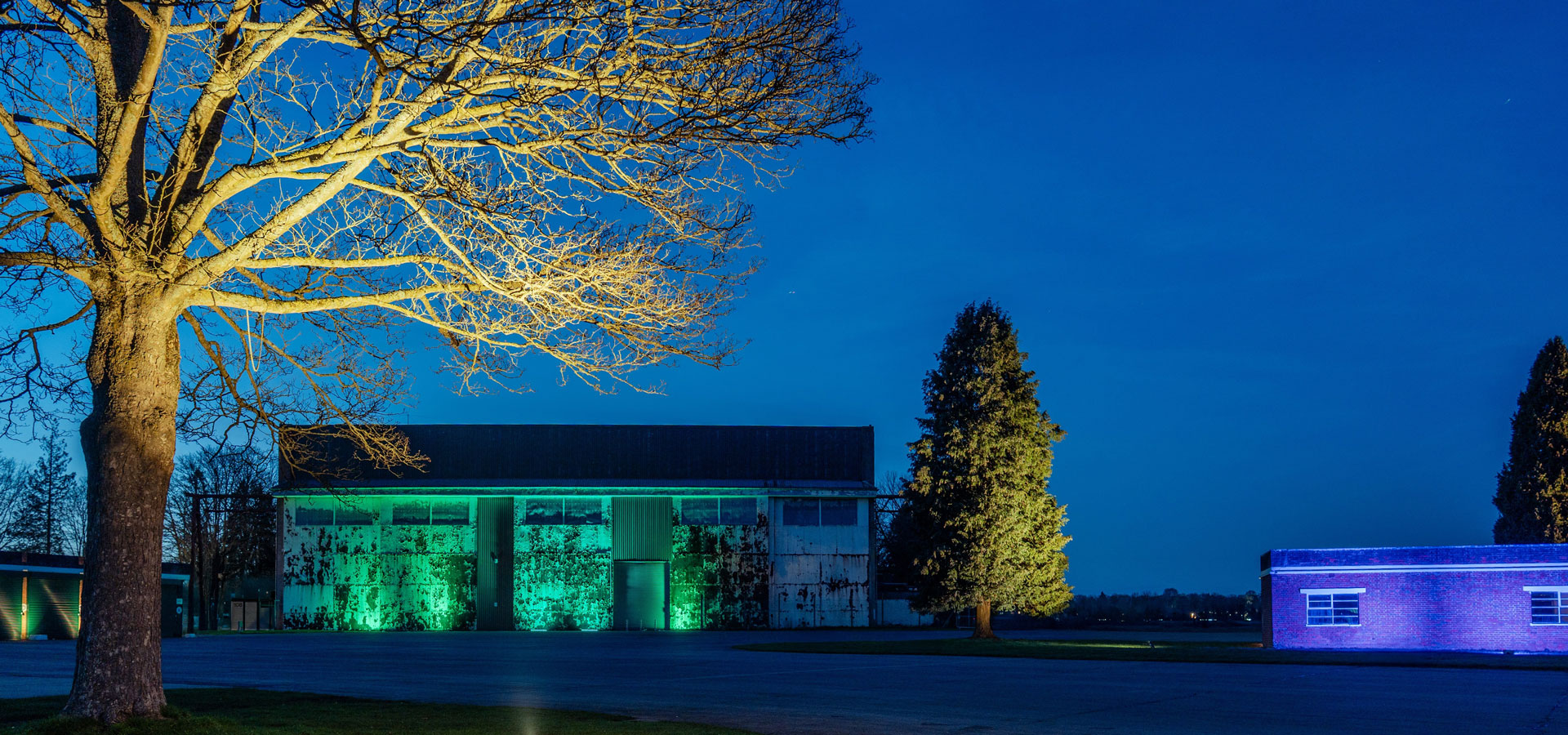
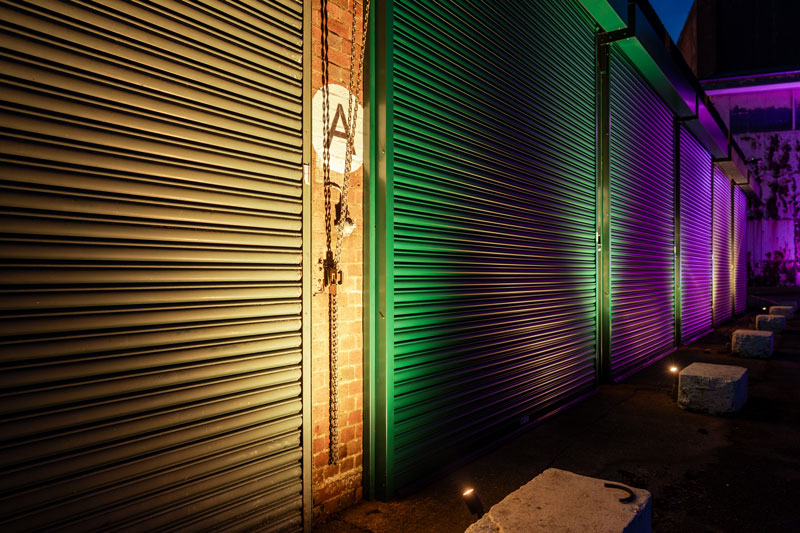
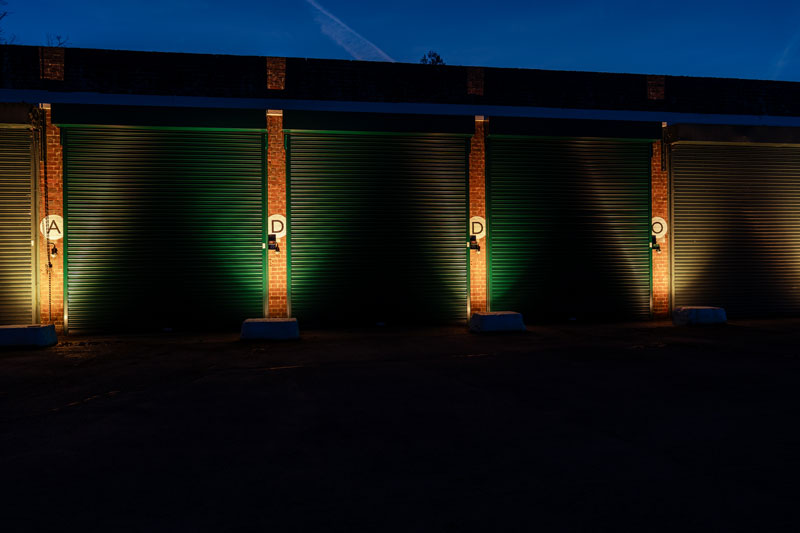
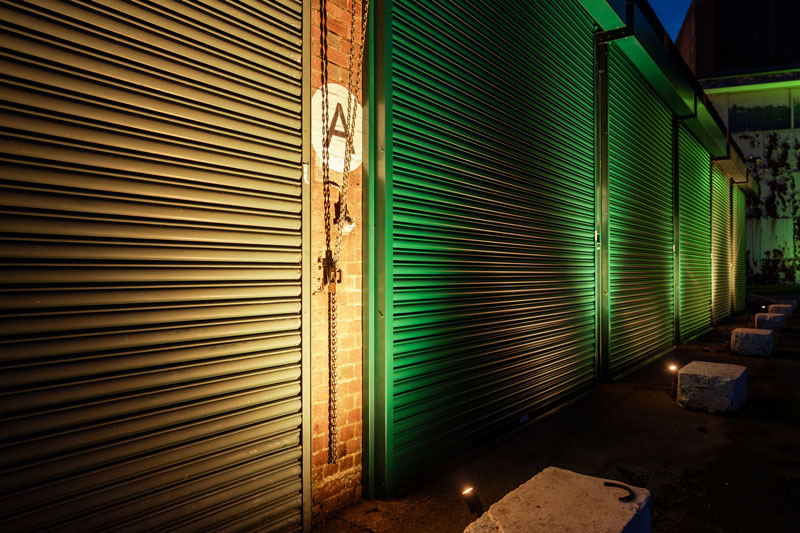
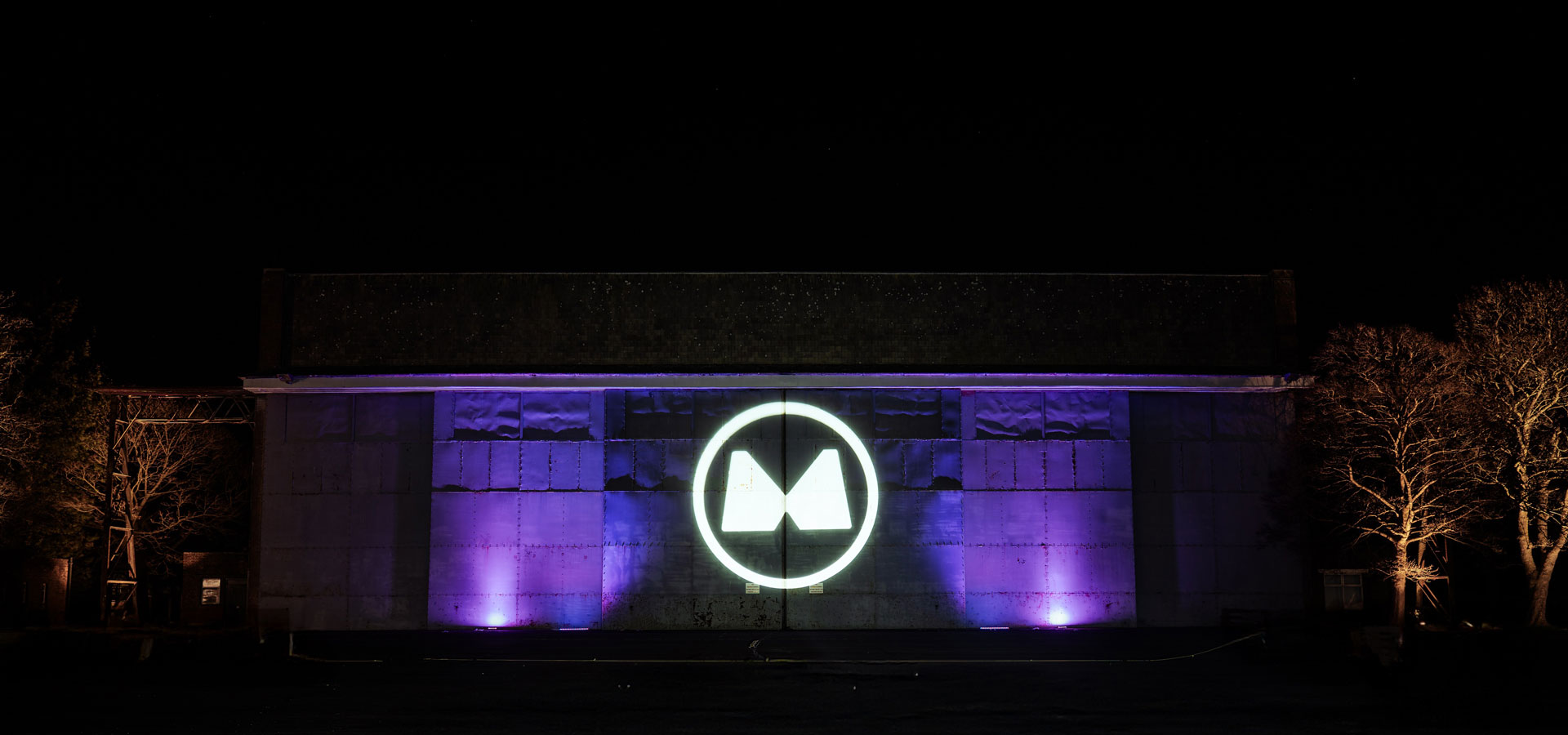
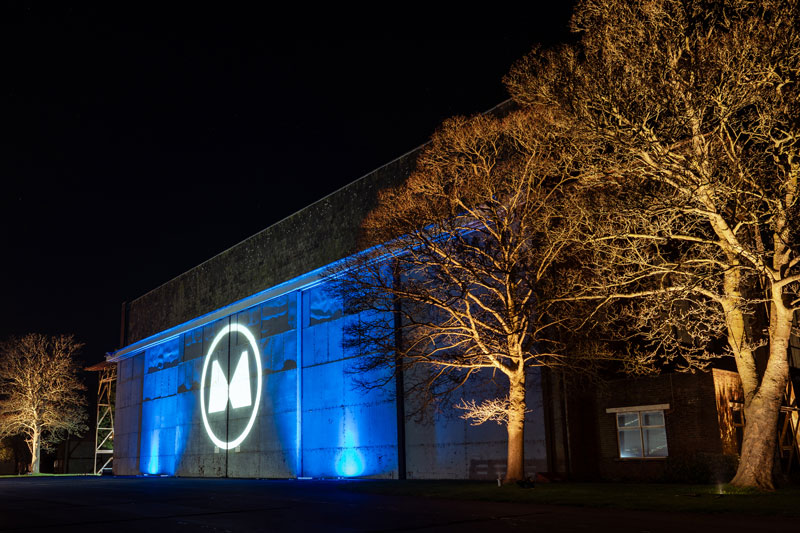
The primary aim was to celebrate the scale and presence of the hangar doors while reducing their visual dominance.
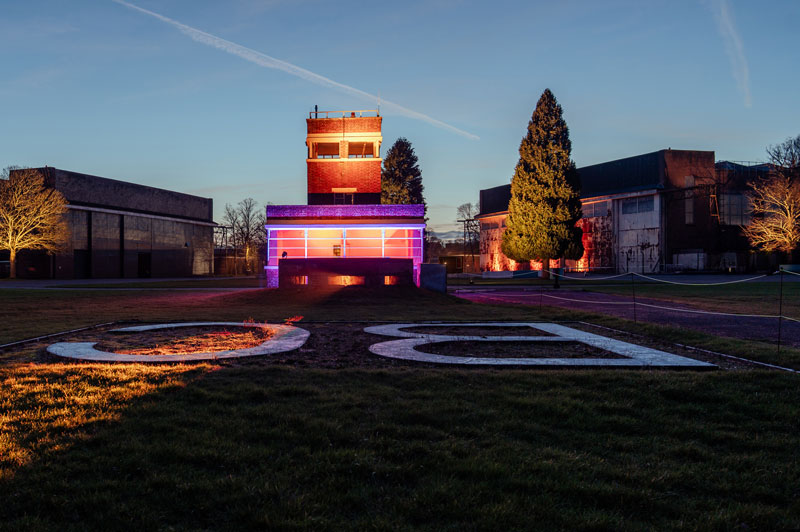
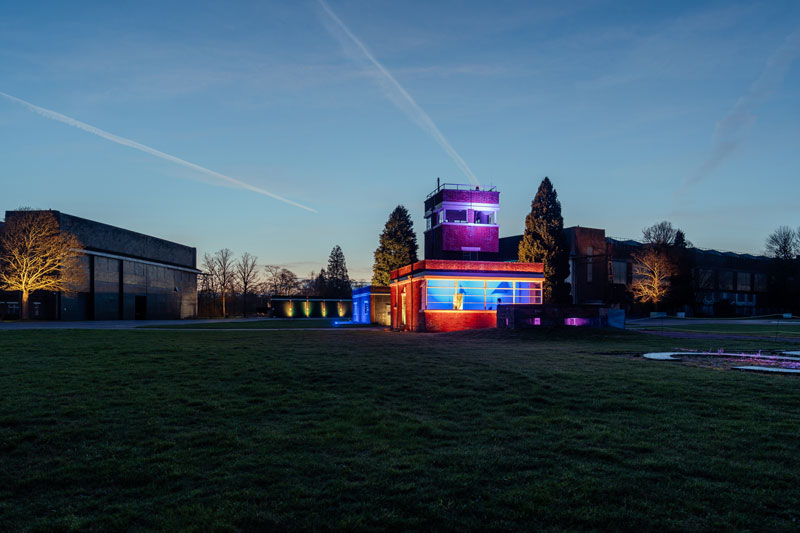
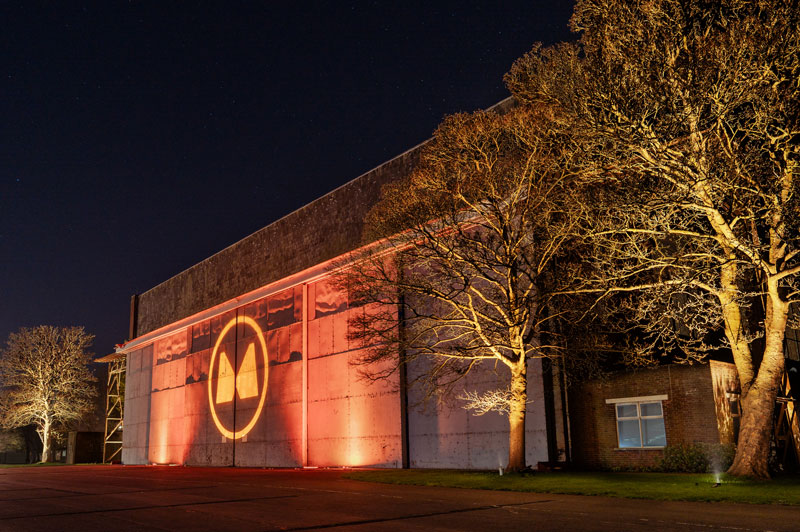
Instead of direct, uniform illumination, the scheme draws attention to the surrounding landscape. Trees are lit in contrast to the buildings, allowing the hangars to sit more comfortably within their environment.
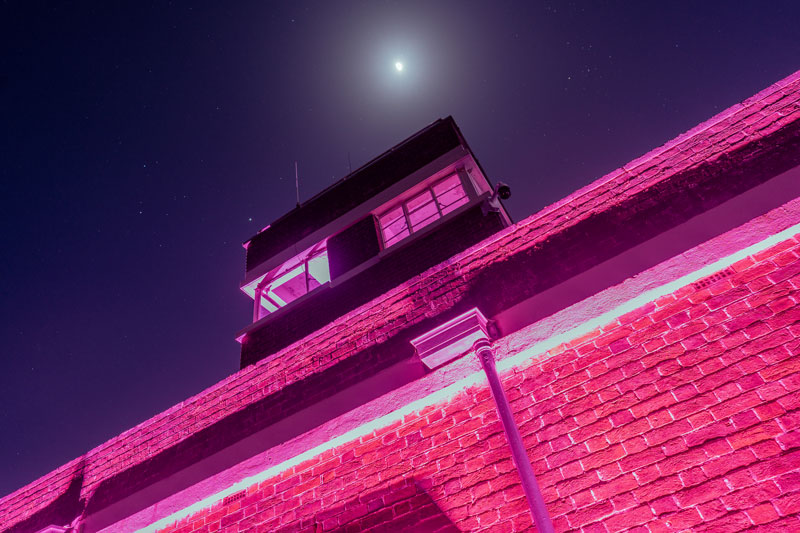
Around the watch office, the intent was to create a layered composition across the site. The lighting establishes clear foreground, midground and background relationships, giving the space depth and visual structure.
Lighting Strategy
The scheme is built on a layered architectural lighting approach, combining multiple techniques:
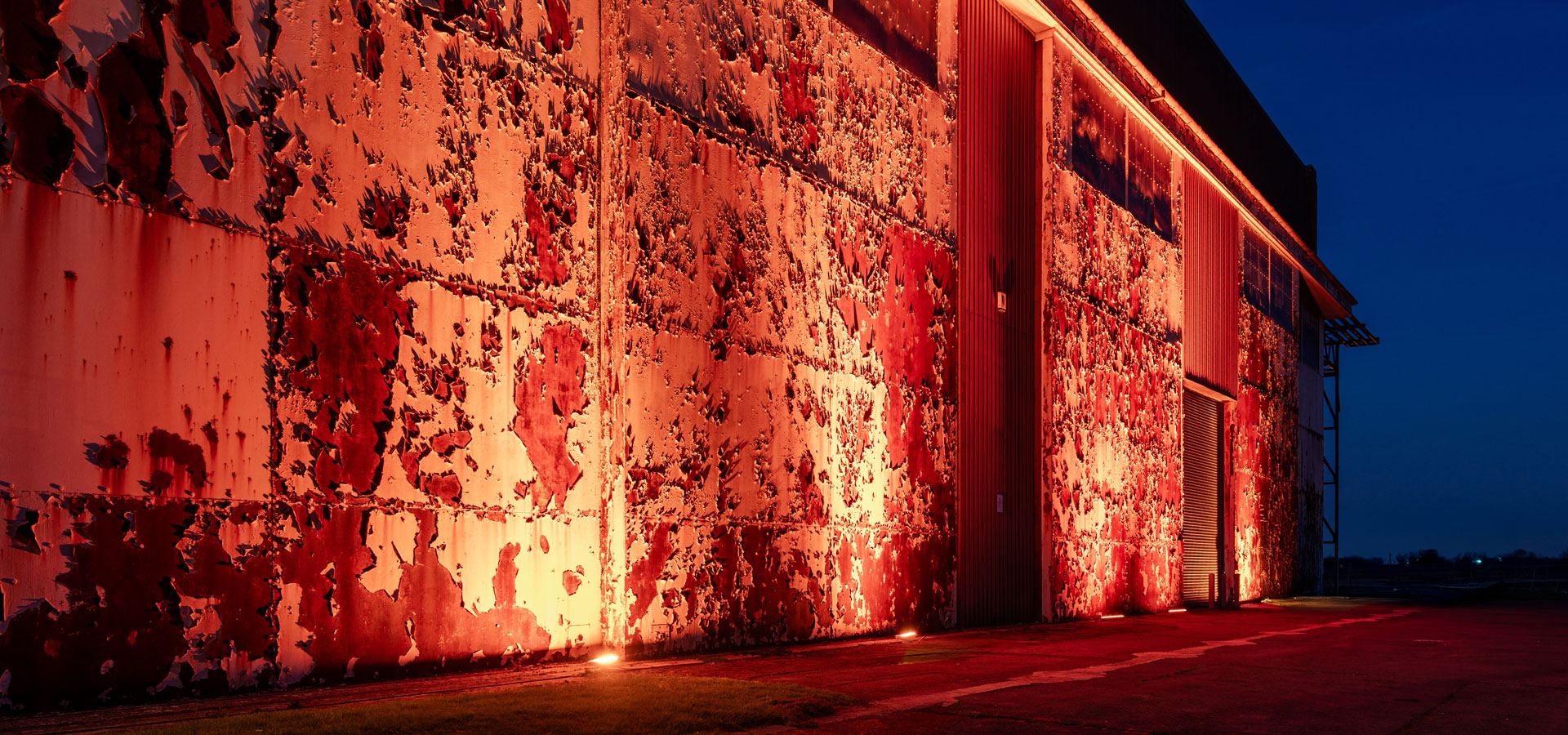
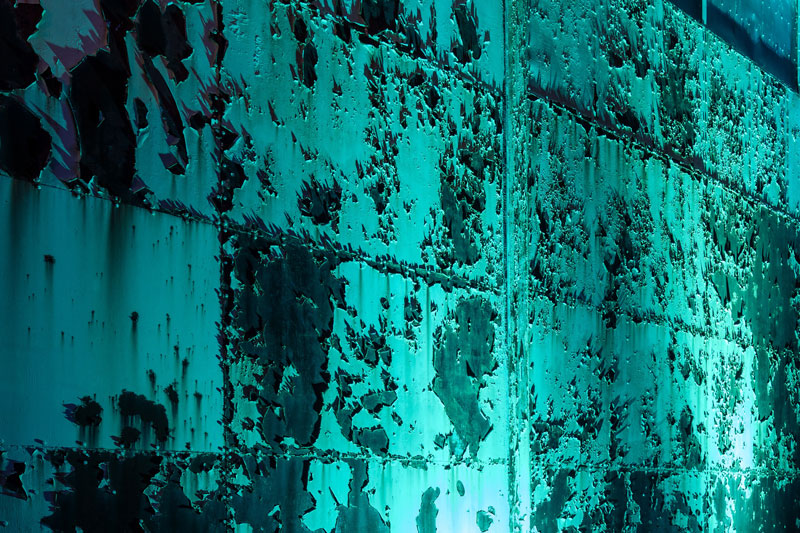
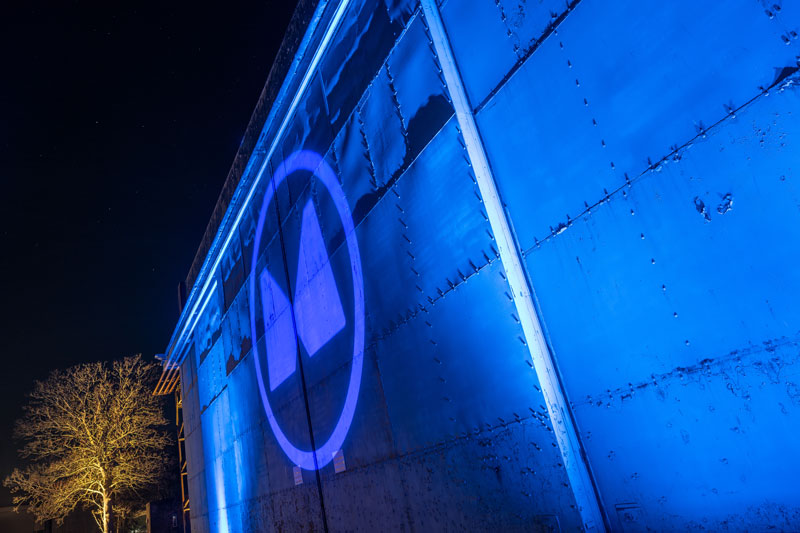
- Grazing light to reveal texture and materiality
- Subtle white light to define architectural form
- Colour to introduce hierarchy and variation
- Projection to create identity and focal points
Each element is carefully controlled to ensure the buildings remain the focus, with light supporting rather than dominating the architecture.
Responding to Constraints
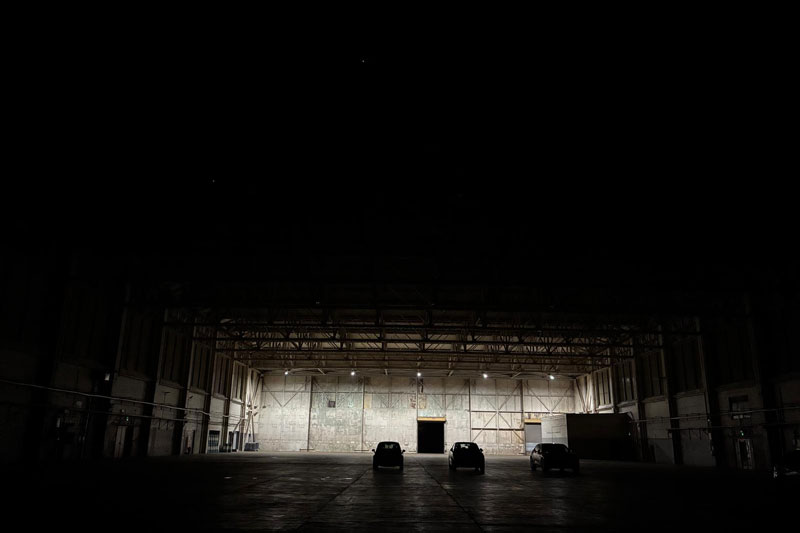
Several buildings were inaccessible, requiring an alternative approach to illumination.
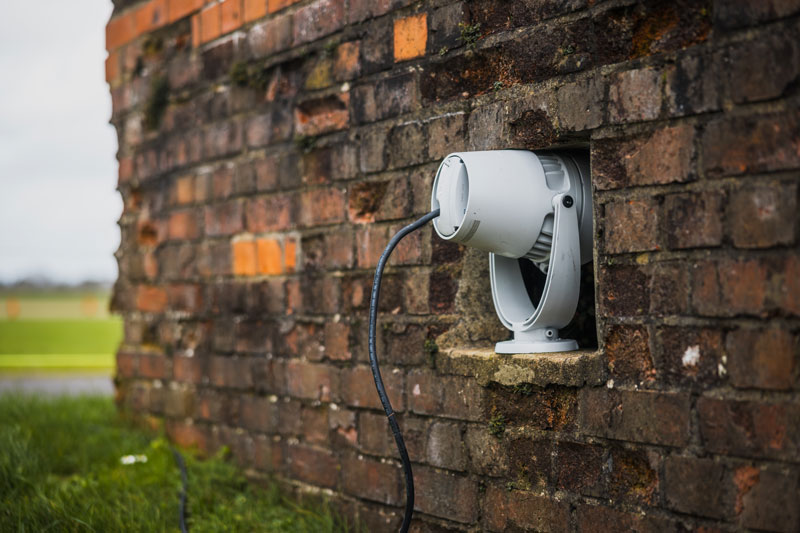
External lighting positions were used to introduce light into these structures, allowing them to remain part of the overall composition. This ensured continuity across the site and avoided areas of visual disconnect.
These constraints informed a more considered and inventive lighting strategy.








Materiality and Detail
A key part of the design development came through testing light directly on the buildings at night.
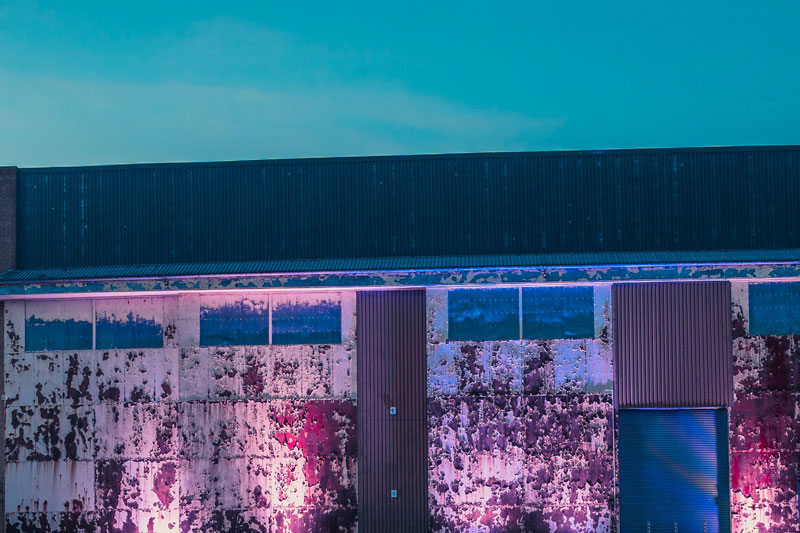
Grazing light across brickwork and aged metal surfaces revealed layers of texture that are not visible during the day. Weathering, patina and material variation became integral to the scheme.
This approach allows the architecture to retain its authenticity, with light enhancing rather than masking its character.
Design Development
The scheme evolved through a series of on-site night studies.
Testing intensity, angle and colour temperature in situ allowed the design to respond precisely to the architecture and landscape. As the process developed, opportunities emerged to create stronger connections between buildings and introduce a clearer visual hierarchy.
This iterative approach was critical in achieving balance across the site.
Outcome
The completed lighting scheme creates a cohesive and atmospheric environment across Bicester Motion.
By combining restraint with moments of contrast, the design enhances the experience of the site after dark while respecting its heritage context.
The result is a lighting strategy that supports wayfinding, reinforces identity and reveals the architecture with clarity and depth.
FAQs – Architectural Lighting Design
Architectural lighting design is the process of using light to enhance the form, function and experience of a building. It considers how light interacts with materials, space and surroundings—both during the day and at night.
Heritage lighting focuses on minimal intervention. This often means using external light sources, avoiding invasive installation, and carefully controlling intensity to protect both the building fabric and its setting.
Layered lighting creates depth and visual clarity. By separating foreground, midground and background elements, the space feels more legible and engaging, particularly across large or complex sites.
Yes. Exterior and architectural lighting requires careful coordination with architecture, landscape and planning constraints. A lighting designer ensures the scheme is both technically effective and visually cohesive.