


How Architectural Lighting Design Works
What is the lighting design process?
Architectural lighting design is a structured process that begins with understanding how a space is intended to work—and ends with a fully integrated lighting scheme that supports both function and architecture.
It is not about selecting fittings.
It is about shaping how a space is experienced.
1. Understanding the architecture and brief
Every project begins with the architecture.
We work closely with architects, designers and clients to understand:
- How the space will be used
- The architectural intent
- Materiality and detailing
- Constraints and opportunities
This stage defines the direction of the lighting strategy.

2. Developing the lighting concept
From this, a clear lighting concept is developed.
This establishes:
- The overall approach to light
- Key focal points
- Hierarchy across spaces
- The balance between light and shadow
The aim is always to support the architecture—never to compete with it.
3. Layering light
Lighting is developed in layers.
- Ambient light provides overall illumination
- Task light supports specific activities
- Accent light reveals architectural detail
This layered approach creates depth and allows spaces to adapt to different uses throughout the day.
4. Integrating light into the architecture
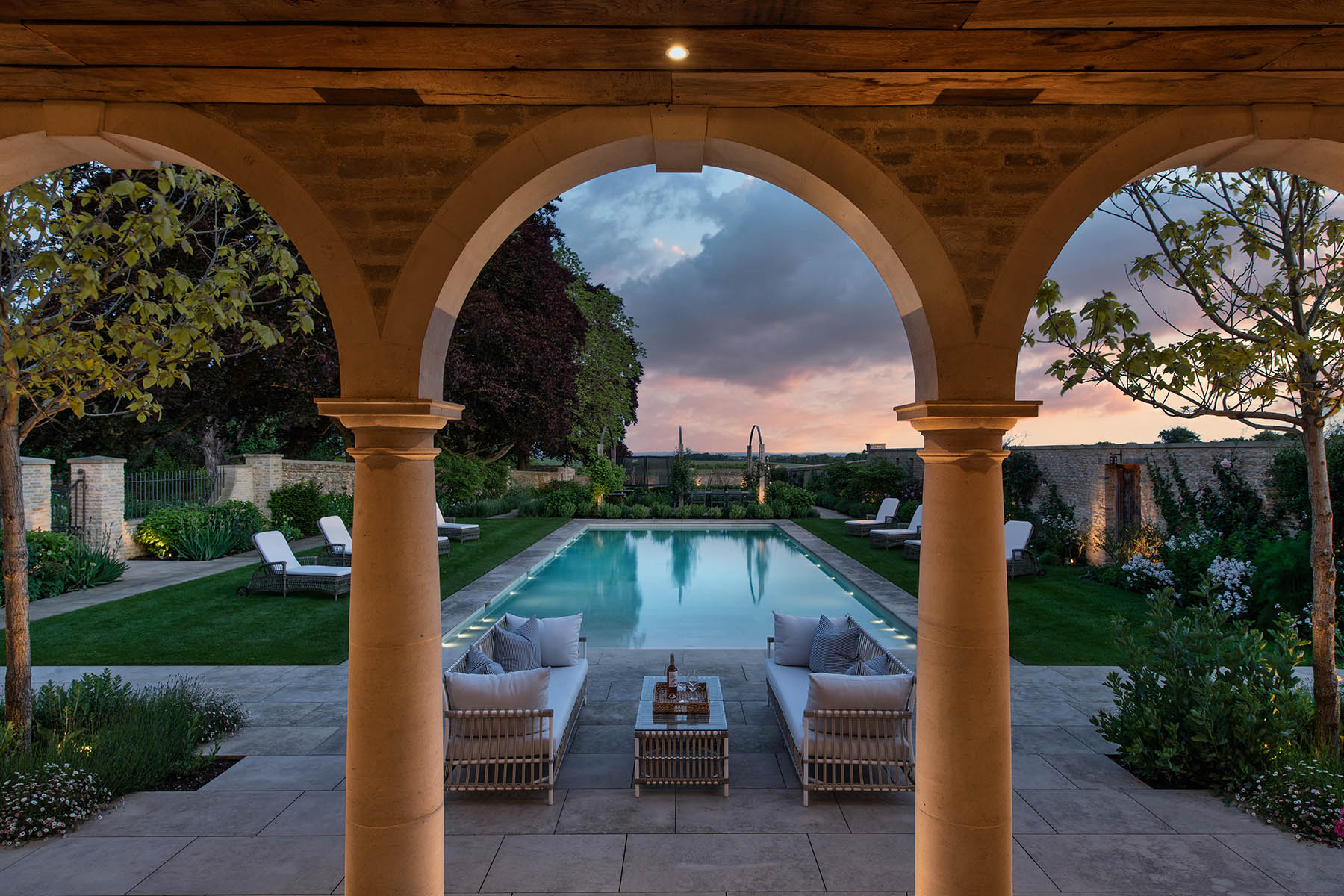
The most successful lighting is often the least visible.
Fittings are carefully integrated into ceilings, walls and joinery to maintain clean architectural lines. The goal is not to see the light source—but to experience its effect.
5. Technical design and specification
Once the concept is established, the scheme is developed technically.
This includes:
- Detailed lighting layouts
- Luminaire selection
- Control systems and scene setting
- Compliance with relevant standards (including CIBSE guidance)
At this stage, precision matters. Every element is resolved to ensure performance aligns with the design intent.
6. Collaboration and coordination
Lighting design is inherently collaborative.
We work alongside:
- Architects
- Interior designers
- Engineers
- Contractors
To ensure the scheme integrates seamlessly with the wider project.
7. Installation and commissioning
During installation, the scheme is reviewed and refined.
This includes:
- Adjusting light levels and angles
- Programming control systems
- Ensuring consistency across spaces
The final outcome is not achieved on paper—it is achieved on site.
8. The result
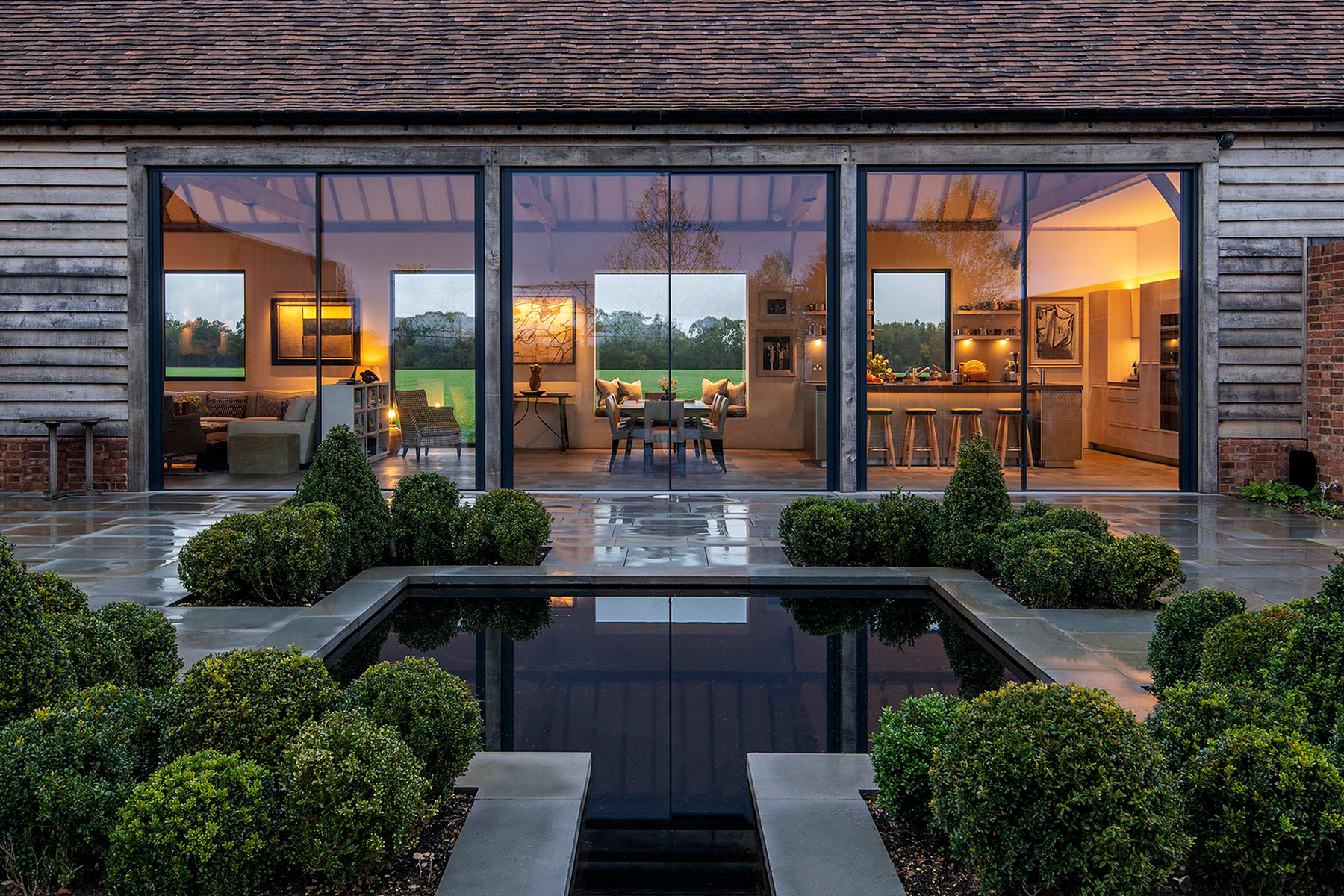
A well-executed lighting design should feel effortless.
Spaces work intuitively.
Architecture is revealed clearly.
Light supports, rather than dominates.
The best lighting is rarely noticed—but its absence always is.
Where this approach is applied
This process underpins all of our work, from heritage sites to contemporary buildings.
- At Bicester Motion, it informed a site-wide strategy across historic structures and landscape
- At Trinity College Oxford, it enabled a complex, multi-use building to function seamlessly
Why it matters
Lighting is often considered late in a project.
It should not be.
A considered lighting design:
- Improves how spaces function
- Enhances architectural quality
- Reduces long-term energy and maintenance costs
- Creates atmosphere and clarity
Work with us
Light House Designs is an independent architectural lighting design consultancy working across Oxford, Oxfordshire, the Cotswolds and London.
We work across residential, hospitality and heritage projects, developing lighting schemes that are both technically rigorous and visually calm.