


What is Architectural Lighting Design?
Architectural lighting design is the process of using light to enhance how a building looks, functions and is experienced.
It considers how light interacts with architecture, materials and space—ensuring environments are both visually coherent and practical to use.
Why lighting design matters
Lighting is often the difference between a space that works and one that does not.
A considered lighting strategy:
- Supports how a space is used
- Enhances architectural detail
- Creates atmosphere and clarity
- Improves comfort and wellbeing


How architectural lighting design works
A typical lighting design process includes:
- Understanding the architecture and brief
- Developing a layered lighting strategy
- Integrating light sources into the fabric of the building
- Specifying fittings and controls
- Supporting installation and commissioning
What is layered lighting?
Layered lighting combines three key elements:
- Ambient lighting — overall illumination
- Task lighting — functional light for specific activities
- Accent lighting — highlighting architectural features
This approach creates depth and allows spaces to adapt to different uses.
Layered lighting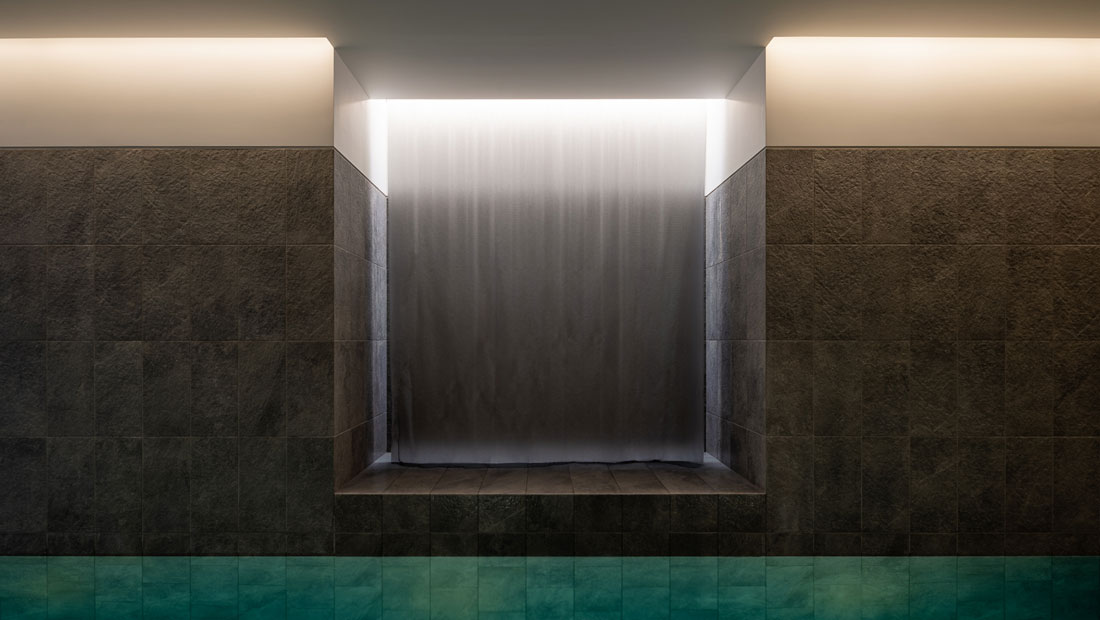

Lighting design for heritage buildings
Lighting heritage buildings requires a sensitive approach.
The goal is to enhance the architecture without introducing visual clutter or damaging the fabric of the building.
Lighting heritage buildingsRecent Projects
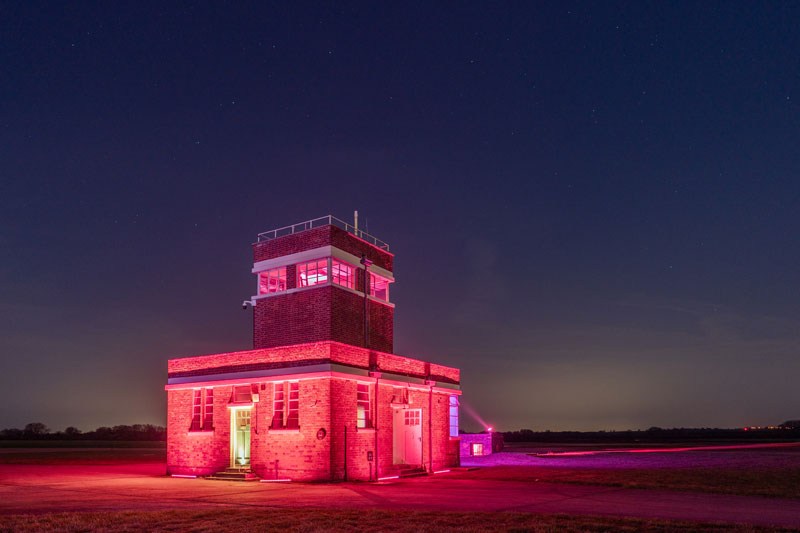
Commercial
View ProjectBicester Motion, Oxford
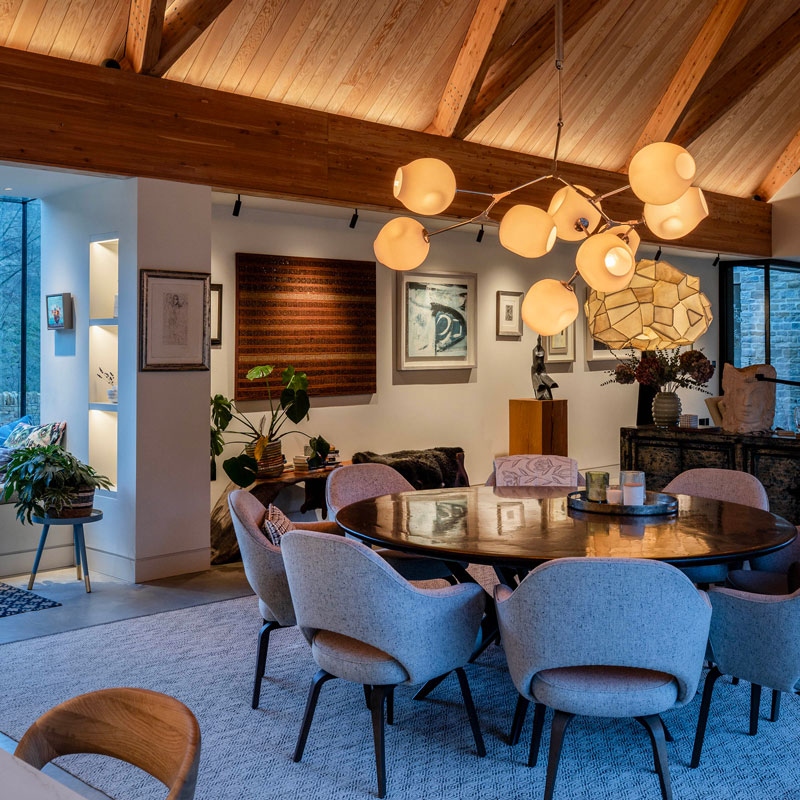
Residential
View ProjectThe New Build
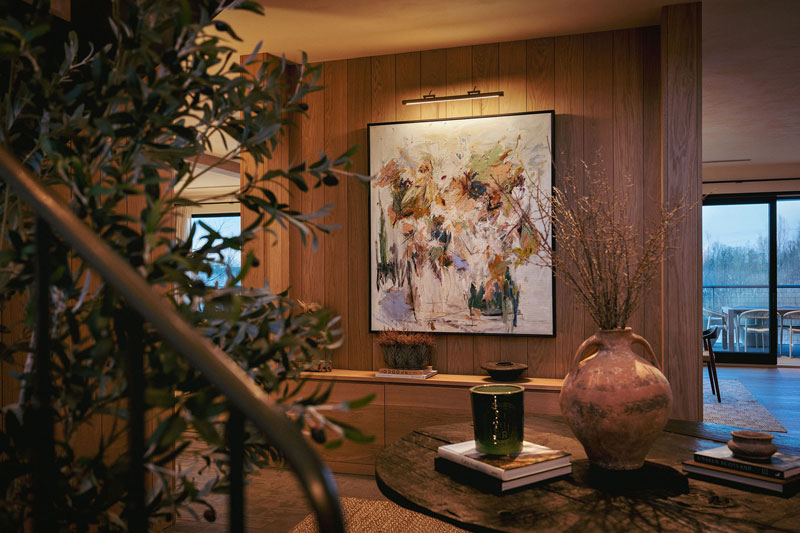
Residential
View ProjectContemporary Build
Work with us
Light House Designs is an independent architectural lighting design consultancy working across Oxford, Oxfordshire, the Cotswolds and London.
Architectural lighting design consultancy