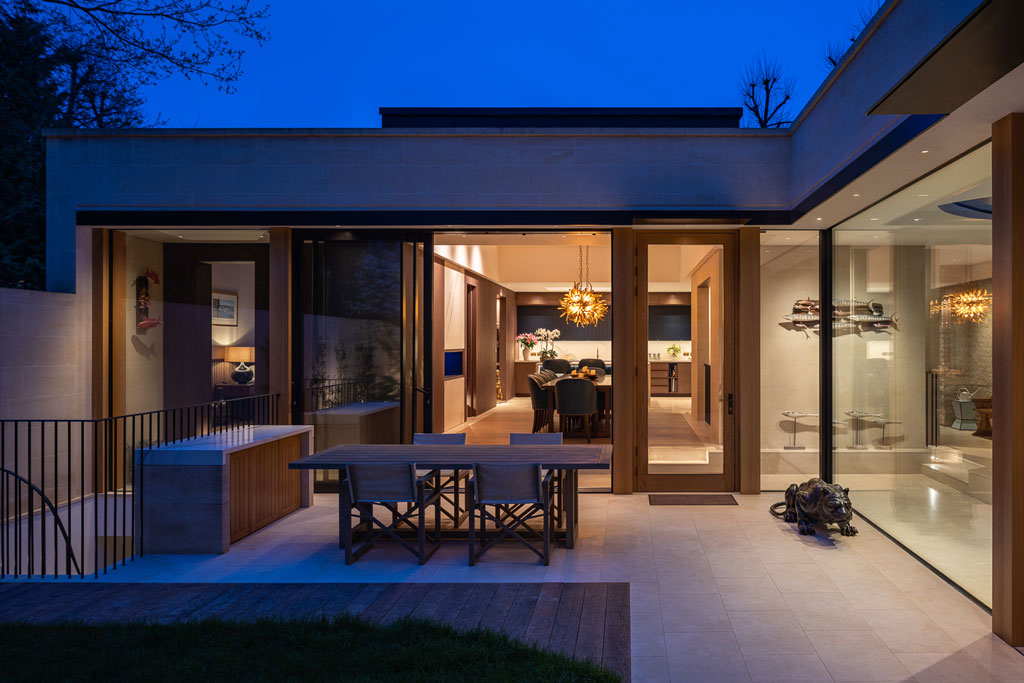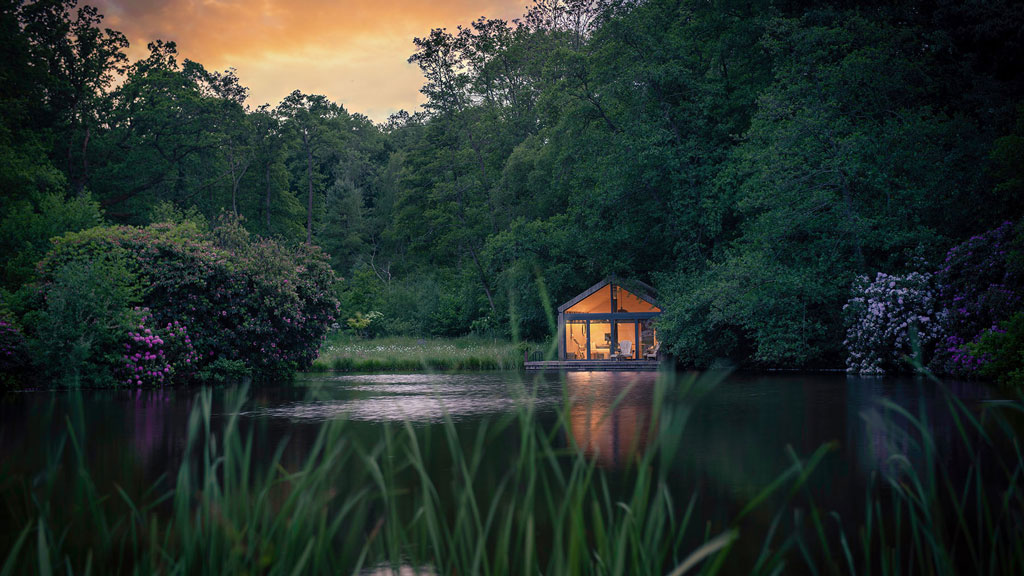
A beautifully lit garden does not need to be a brightly lit garden.
Good exterior lighting is about knowing what to light, how to light it and what to leave dark.
At Light House Designs, we think carefully about the impact lighting has on the landscape around us. We want gardens to be safe, beautiful and enjoyable at night, but we also need to consider wildlife and the wider environment.
Our Associate Director, Katie Fisher, recently delivered a CPD on ecologically and environmentally sensitive garden lighting.
One of its strongest messages was simple.
Darkness matters.
Why darkness matters
Darkness is an ecological resource.
Many species depend on natural darkness. Artificial light can affect navigation, feeding, reproduction, plant growth and pollination.
Bats are an important consideration in the UK. All 18 UK species are protected by law.
Different bat species react differently to artificial light. Lighting can affect feeding, commuting routes and access to roosts. Even relatively low levels of light can create barriers.
This means that one of the first questions we ask should be:
Does this area need to be lit at all?
Sometimes the answer is no
Not every path, tree, wall or area of planting needs lighting.
Sometimes leaving part of a garden dark is the best solution.
It can help protect wildlife. It can also make the lighting that is used much more effective.
Light needs darkness around it to have impact.

Avoid. Minimise. Mitigate. Control.
Katie’s CPD sets out four useful principles for sensitive exterior lighting.
Avoid
- Does the area need lighting?
- Can a route remain dark?
Minimise
- Use fewer luminaires.
- Keep mounting heights low.
- Reduce light levels.
Mitigate
- Control light spill.
- Reduce blue wavelengths.
- Shield and position luminaires carefully.
Control
- Dim the lighting.
- Use controls and programmed curfews.
- Make sure lights are only on when they are needed.
It sounds simple, but these decisions can make a significant difference.
Putting it into practice
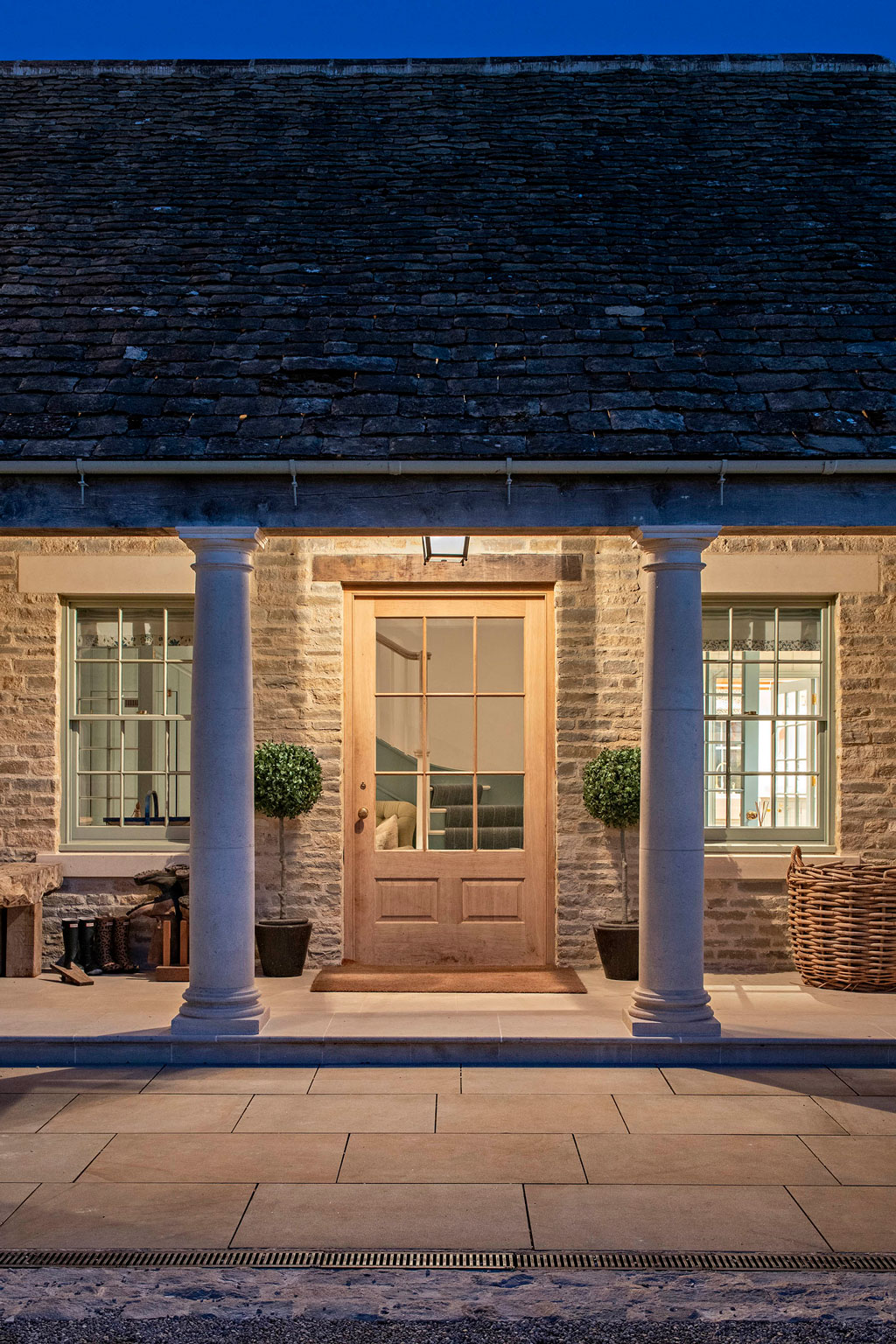
On a recent Staffordshire estate project, ecological surveys showed that bats were likely to use the wider site for foraging and commuting.
A woodland and tree edge next to the Italian Garden was considered particularly sensitive.
So no lighting was proposed there.
The dark corridor was deliberately retained.

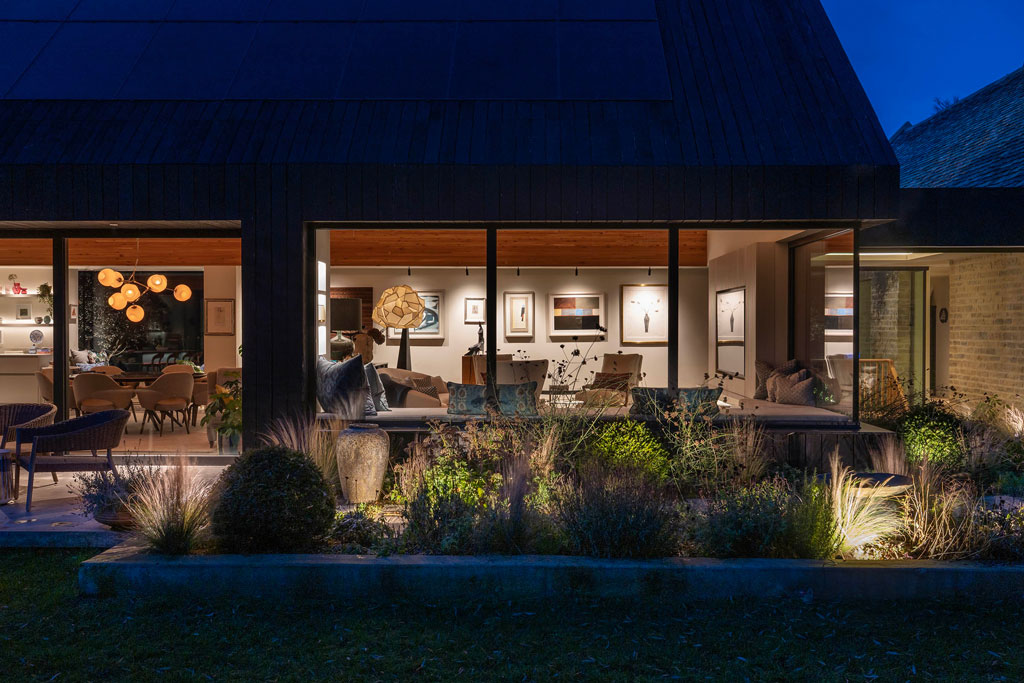
Elsewhere, the lighting was kept subtle. Luminaires were positioned at low level and spaced further apart. This allowed people to navigate the main routes while retaining areas of darkness.
Extra warm 2200K LED lighting was specified. Light was carefully directed to reduce unnecessary spill.
The garden was also divided into different lighting zones. Each could be dimmed and controlled independently. Astronomical time clocks provided automatic switch off when lighting was no longer required.
The result is a scheme that works for the people using the garden without trying to illuminate everything around it.
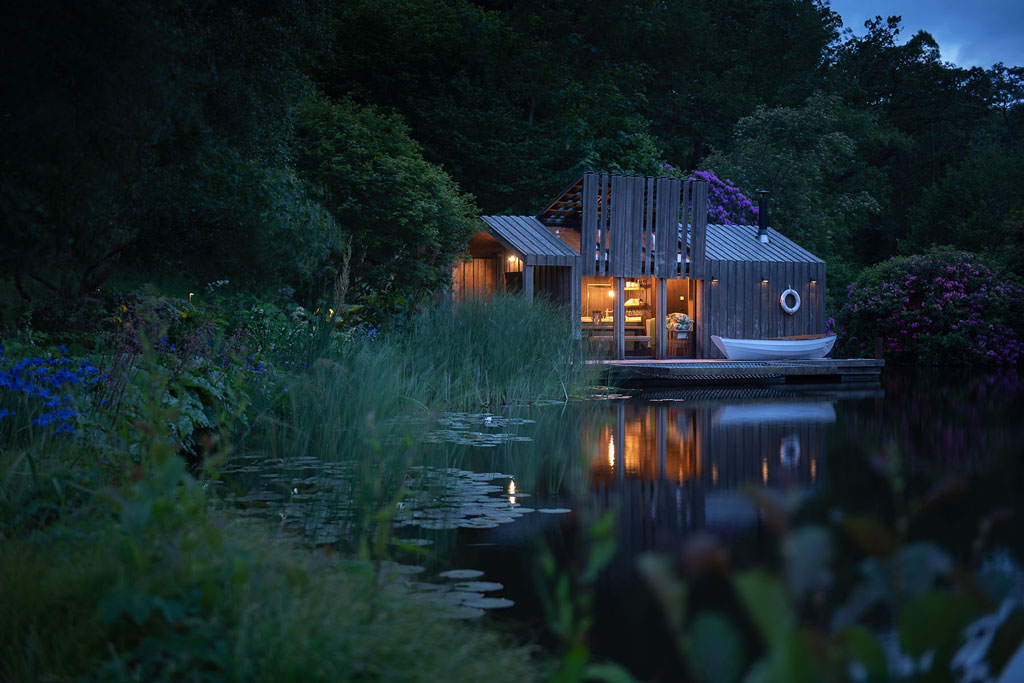
Less can be more
This approach is not only about ecology.
It can also create a much better-looking garden.
A softly lit path, a pool of warm light on planting or a carefully illuminated piece of architecture has much more impact when everything around it is not equally bright.
Good garden lighting is about balance.
And sometimes the most important lighting decision is deciding where not to put a light.
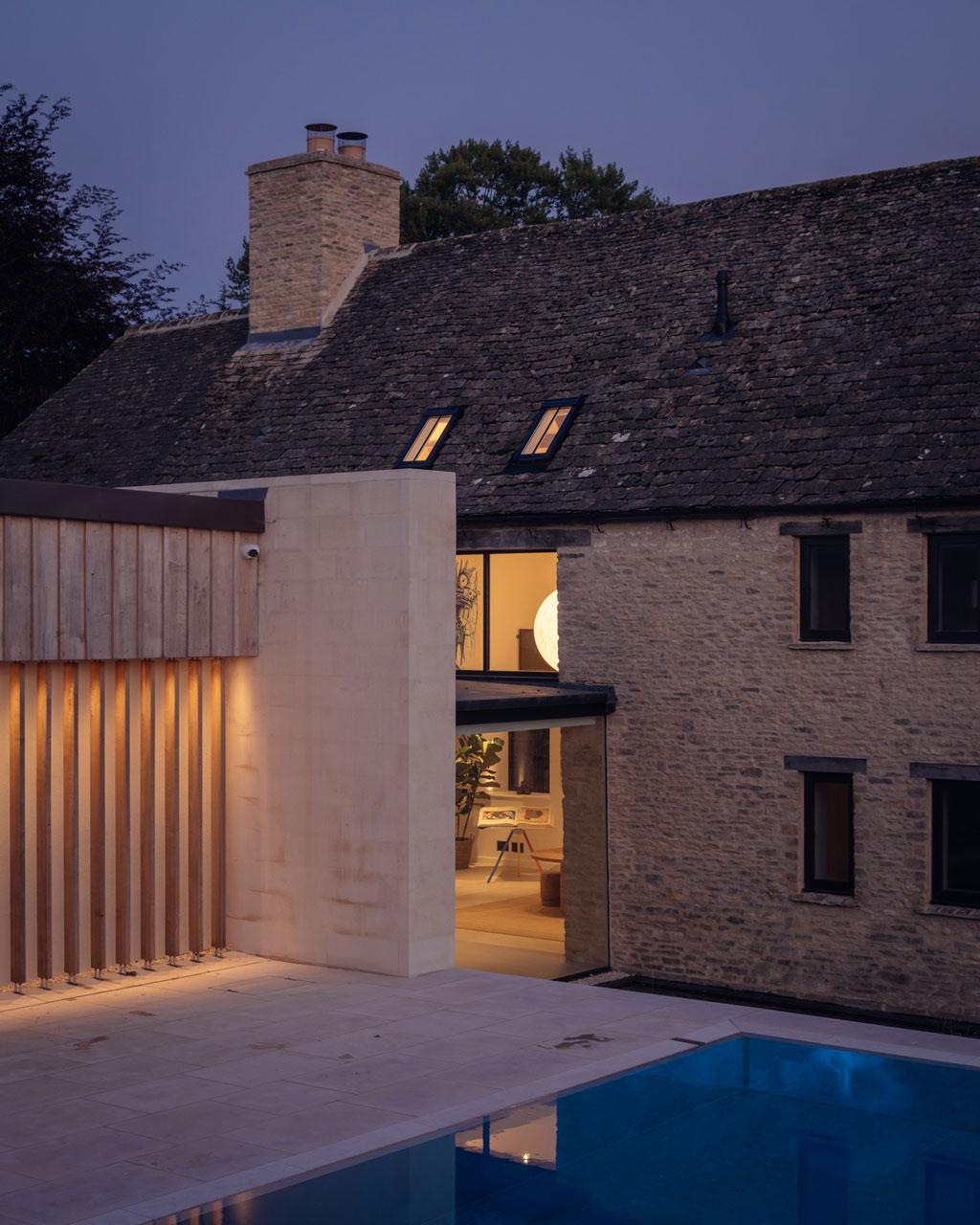
Planning a garden or landscape project?
We work with architects, landscape designers, ecologists and clients to develop lighting that works with the landscape from the start.
Talk to us about your project.
Katie is also available to deliver our CPD, Ecologically & Environmentally Sensitive Lighting for Gardens, to architecture, landscape and design practices.