Bicester Motion Lighting Design – Heritage Architectural Lighting Oxfordshire

May 4, 2026, by Jo Mann

Light House Designs was commissioned to develop a sensitive lighting scheme for a collection of historic buildings at Bicester Motion, Oxfordshire.

The project spans large aircraft hangars, the watch office and surrounding structures. The challenge was to create a cohesive night-time identity while preserving the character and integrity of the site.

The approach focused on using light to reveal architecture, rather than compete with it.

Design Intent

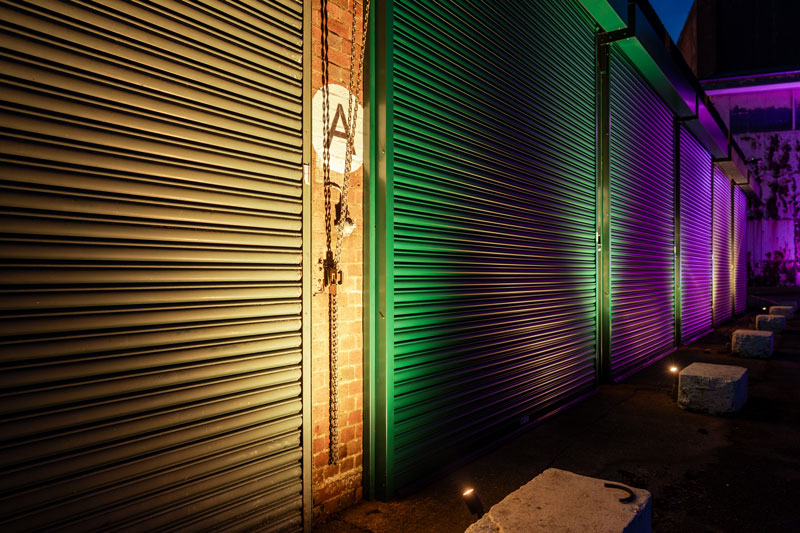
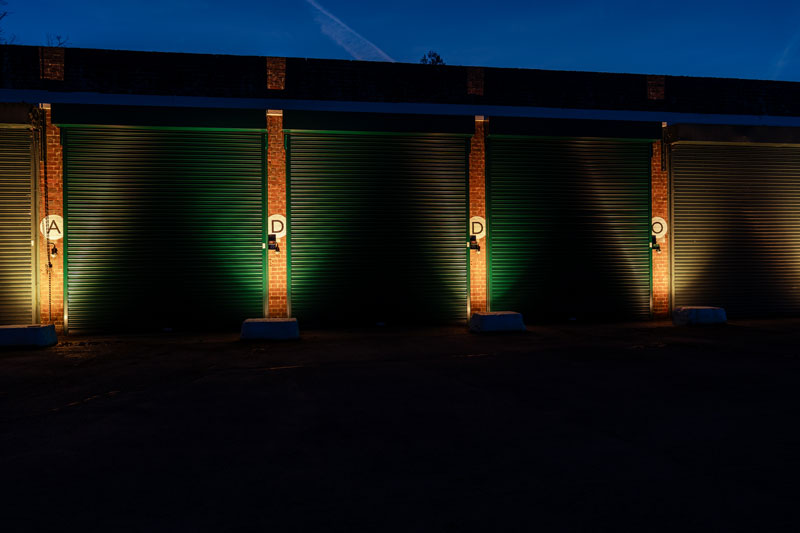
The primary aim was to celebrate the scale and presence of the hangar doors while reducing their visual dominance.

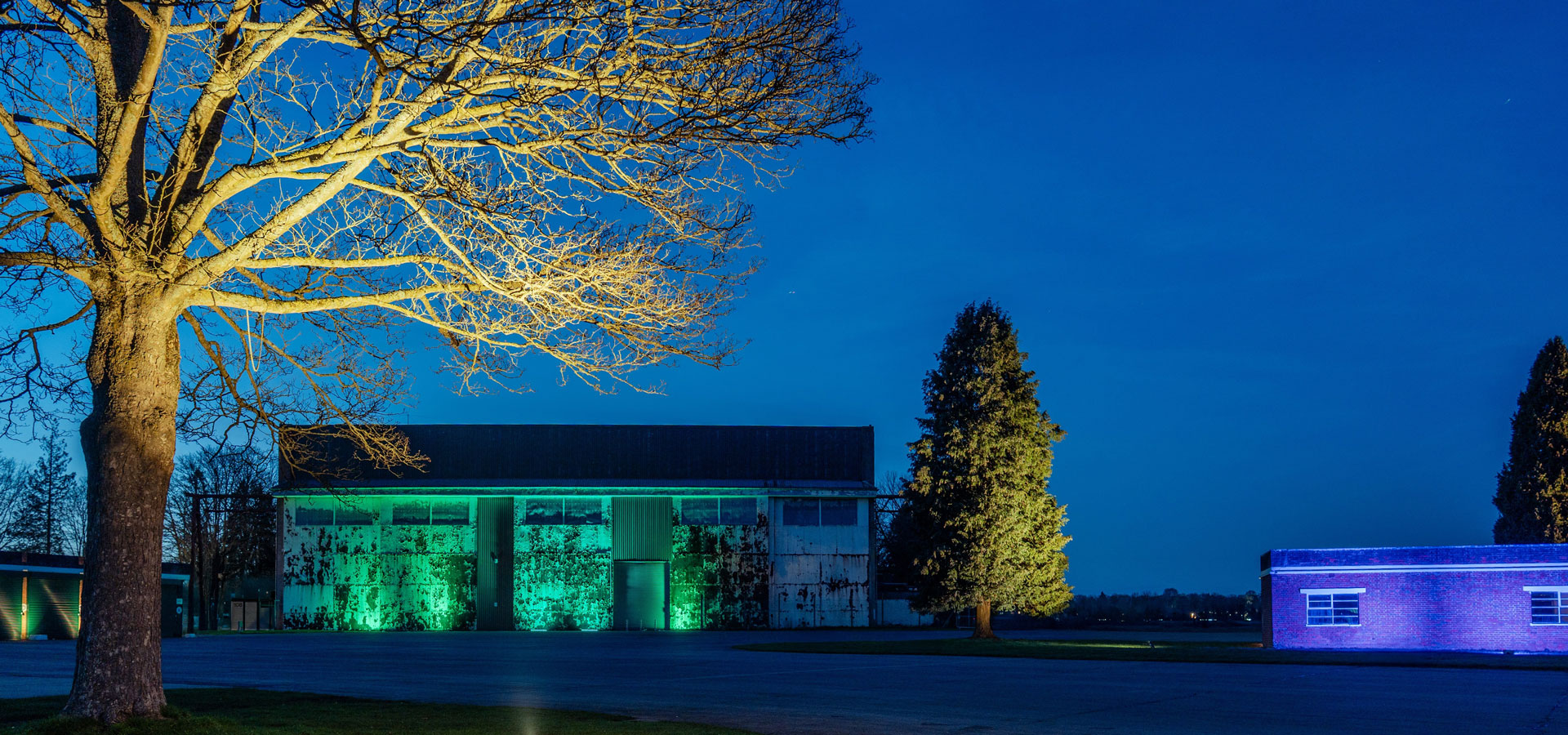
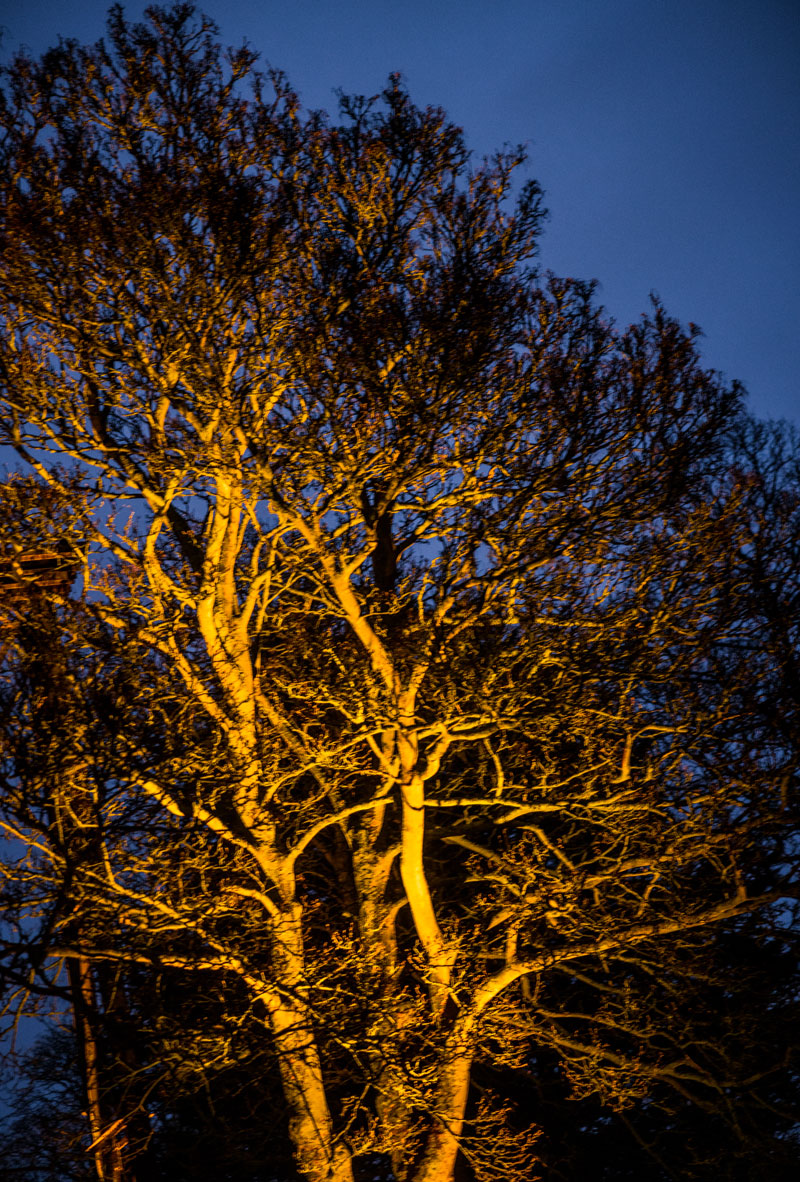
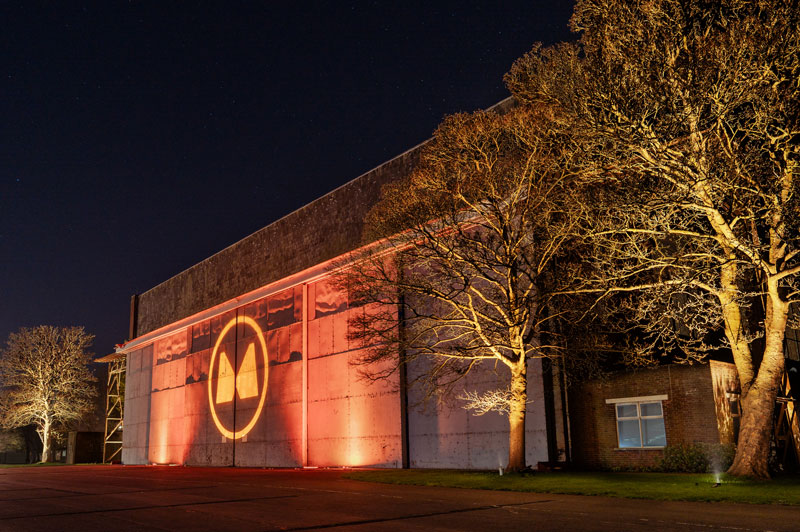
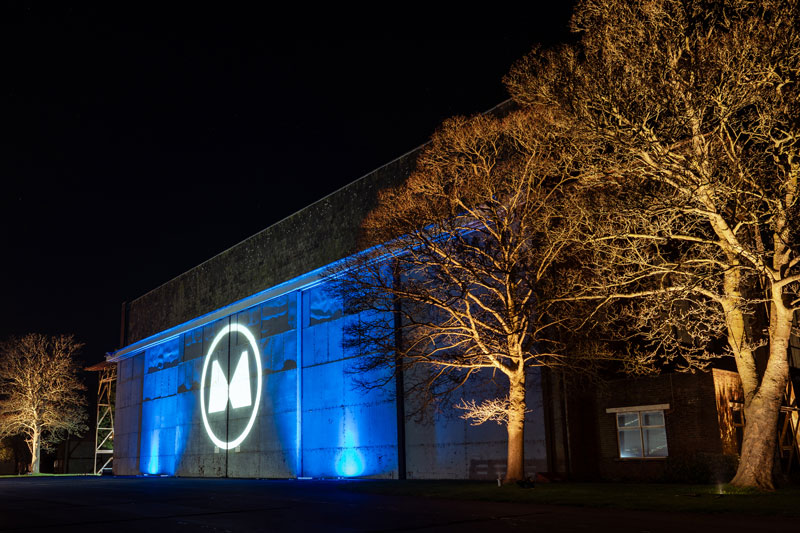
Instead of direct, uniform illumination, the scheme draws attention to the surrounding landscape. Trees are lit in contrast to the buildings, allowing the hangars to sit more comfortably within their environment.

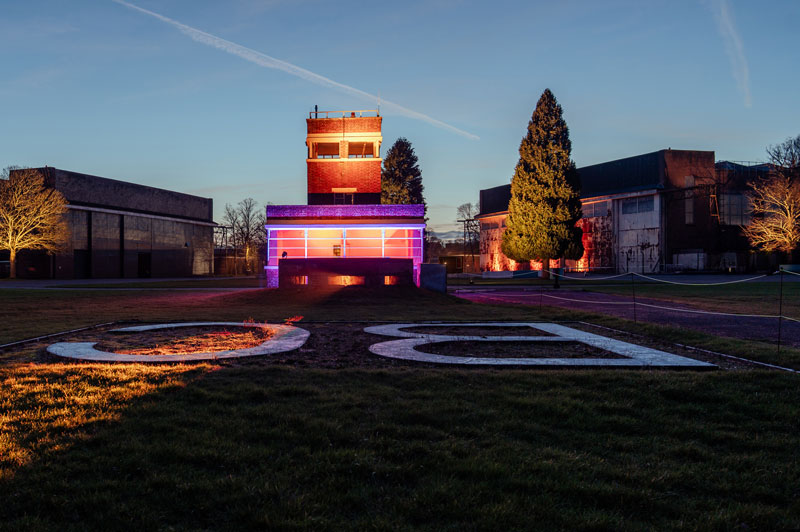
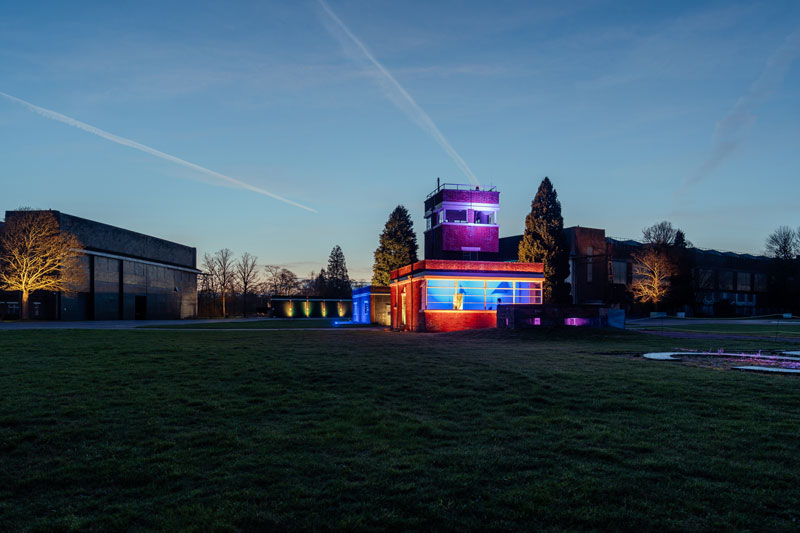
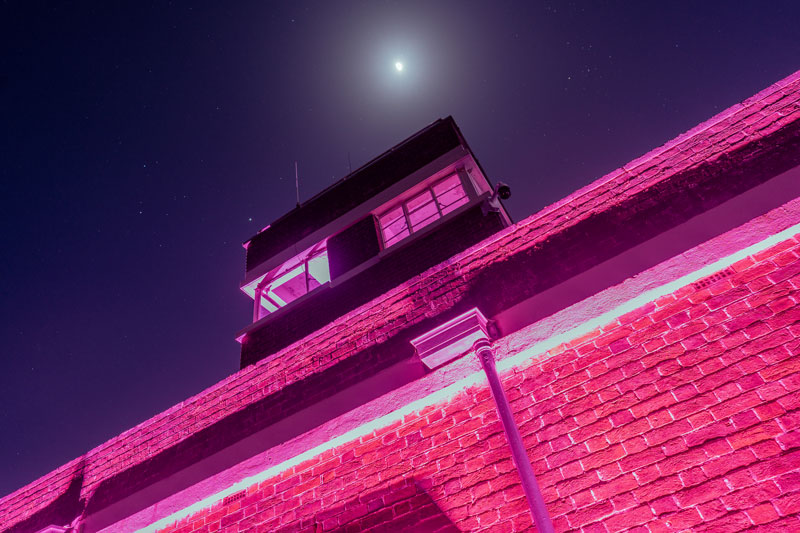
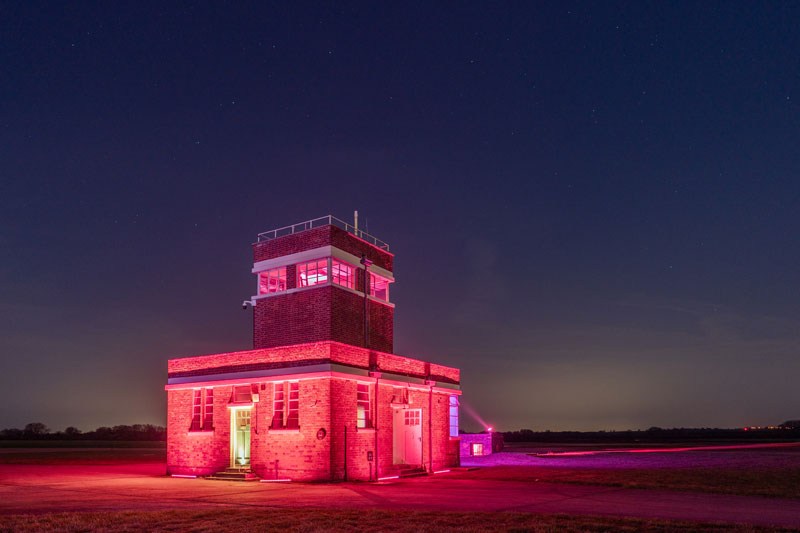
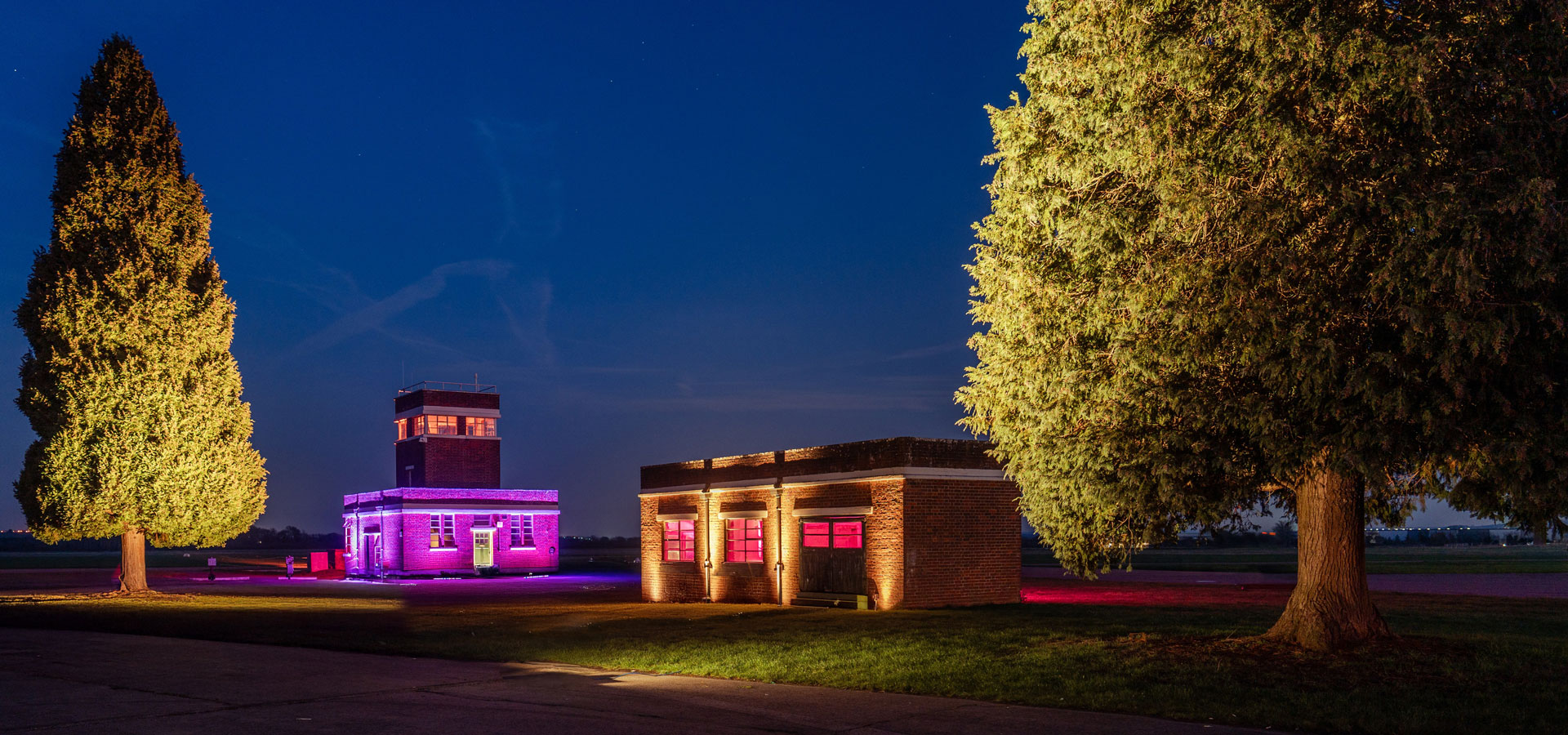
Around the watch office, the intent was to create a layered composition across the site. The lighting establishes clear foreground, midground and background relationships, giving the space depth and visual structure.

Lighting Strategy

The scheme is built on a layered architectural lighting approach, combining multiple techniques:

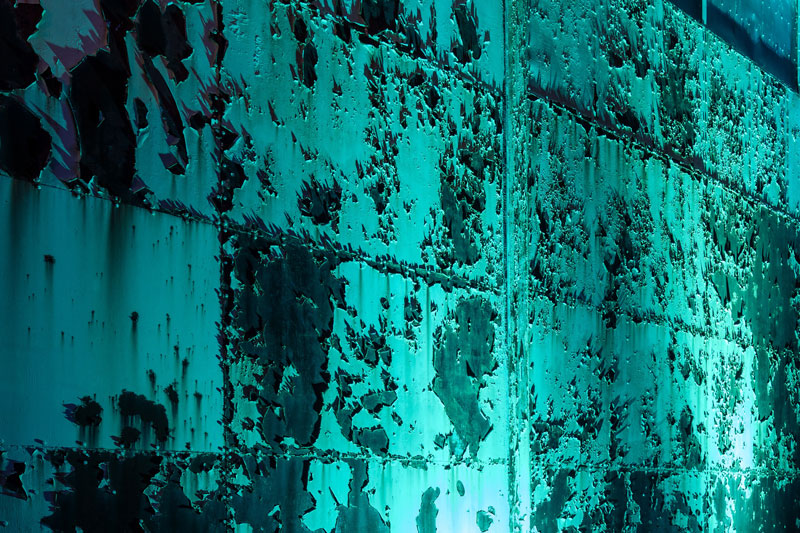
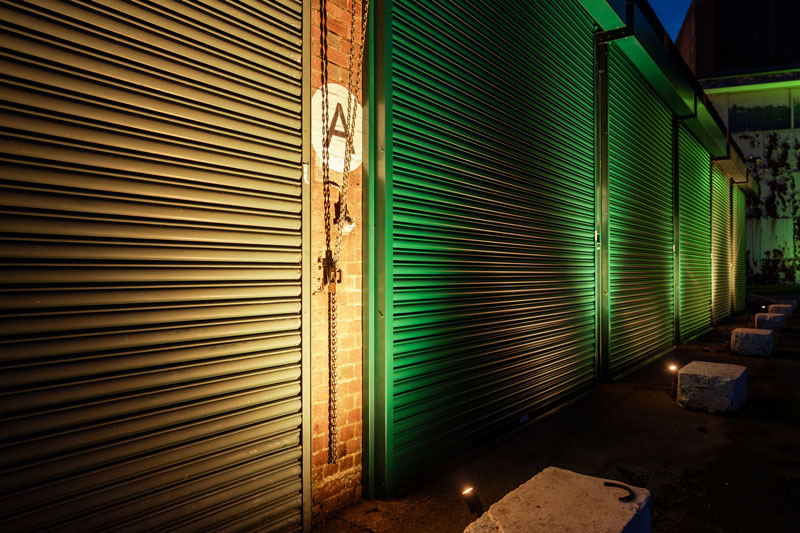
  • Grazing light to reveal texture and materiality
  • Subtle white light to define architectural form
  • Colour to introduce hierarchy and variation
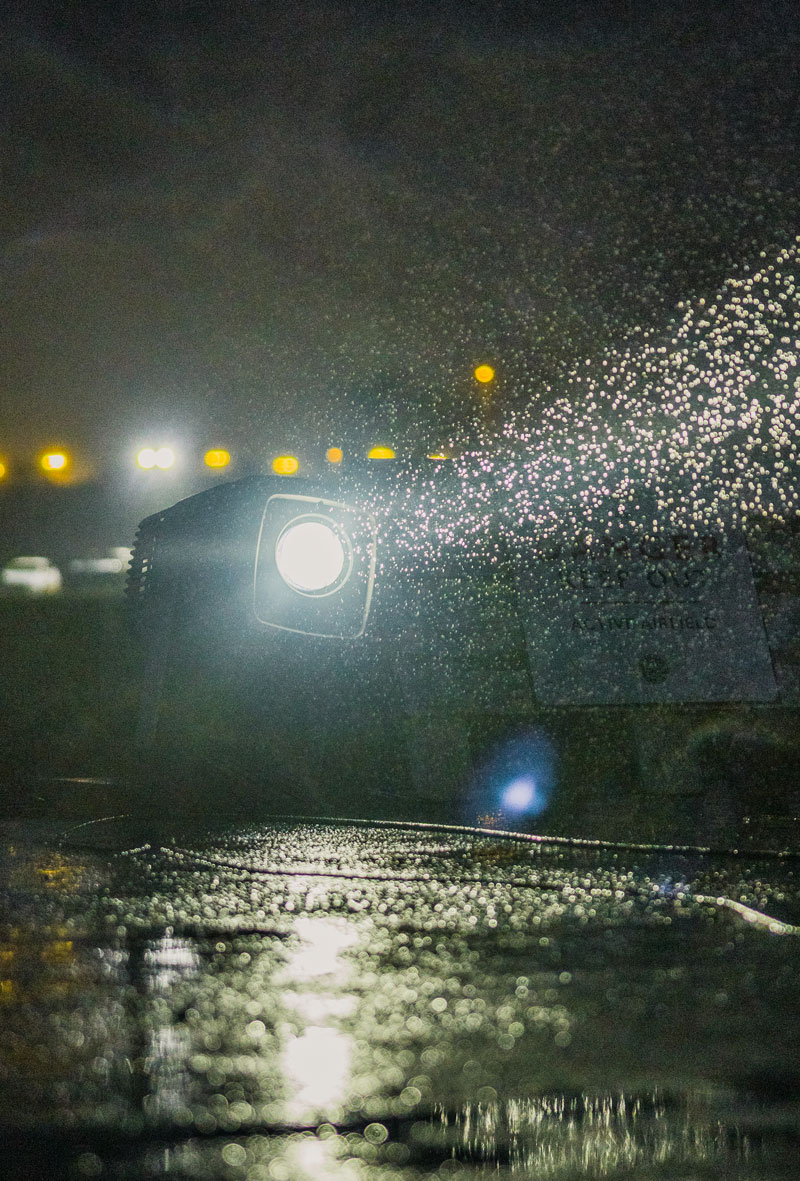
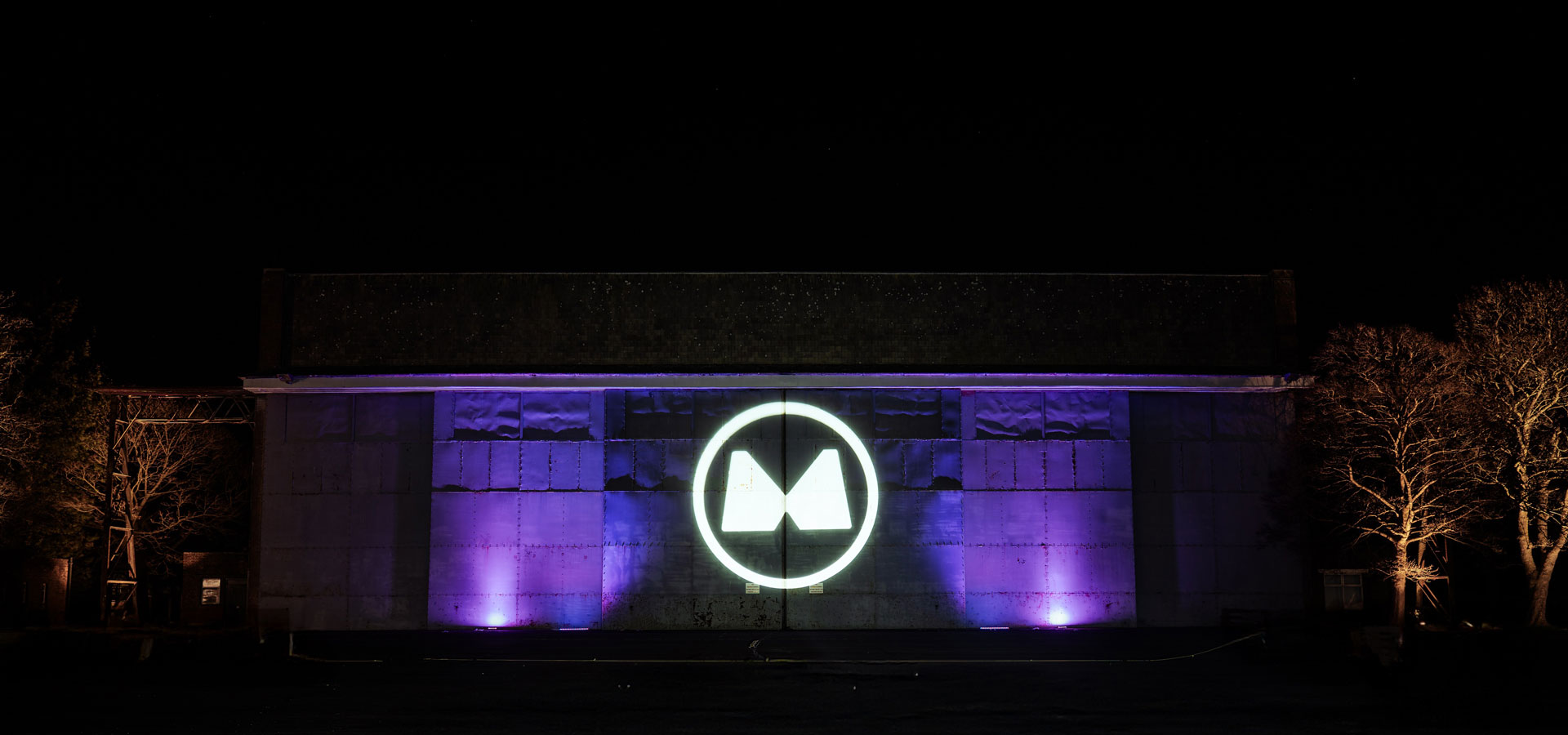
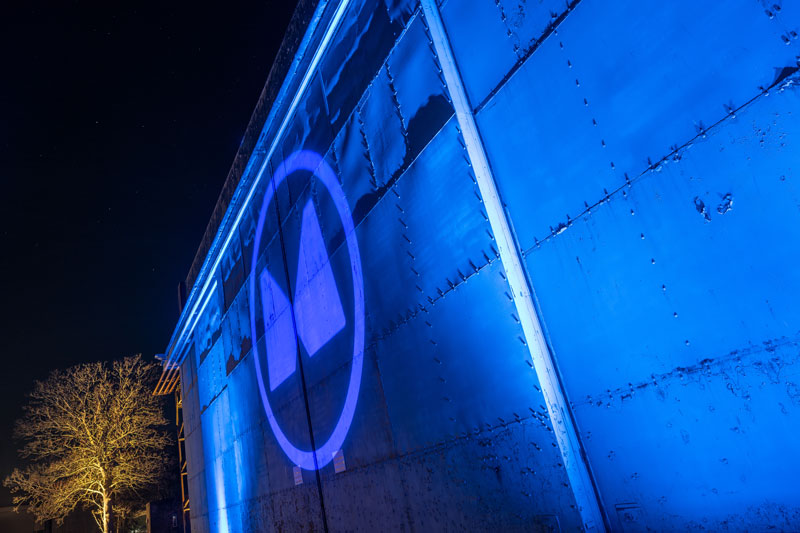
  • Projection to create identity and focal points

Each element is carefully controlled to ensure the buildings remain the focus, with light supporting rather than dominating the architecture.

Responding to Constraints

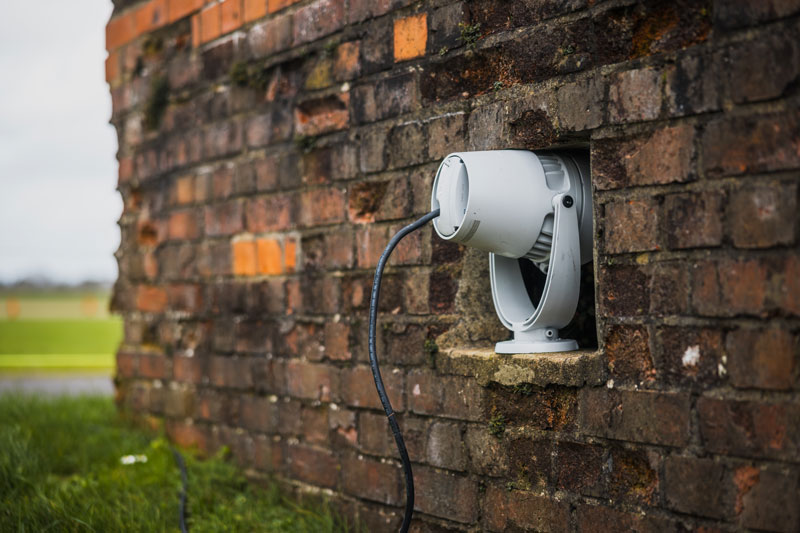
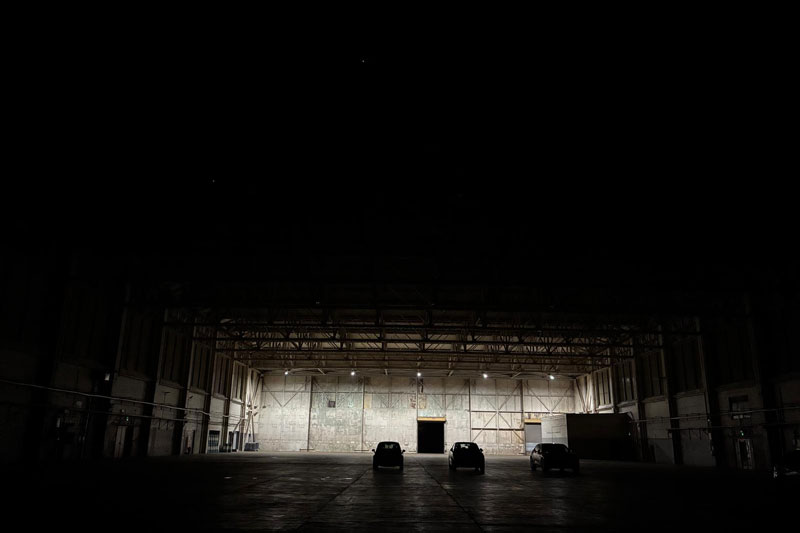
Several buildings were inaccessible, requiring an alternative approach to illumination.

External lighting positions were used to introduce light into these structures, allowing them to remain part of the overall composition. This ensured continuity across the site and avoided areas of visual disconnect.

These constraints informed a more considered and inventive lighting strategy.

Bicester Motion Lighting Design

Materiality and Detail

A key part of the design development came through testing light directly on the buildings at night.

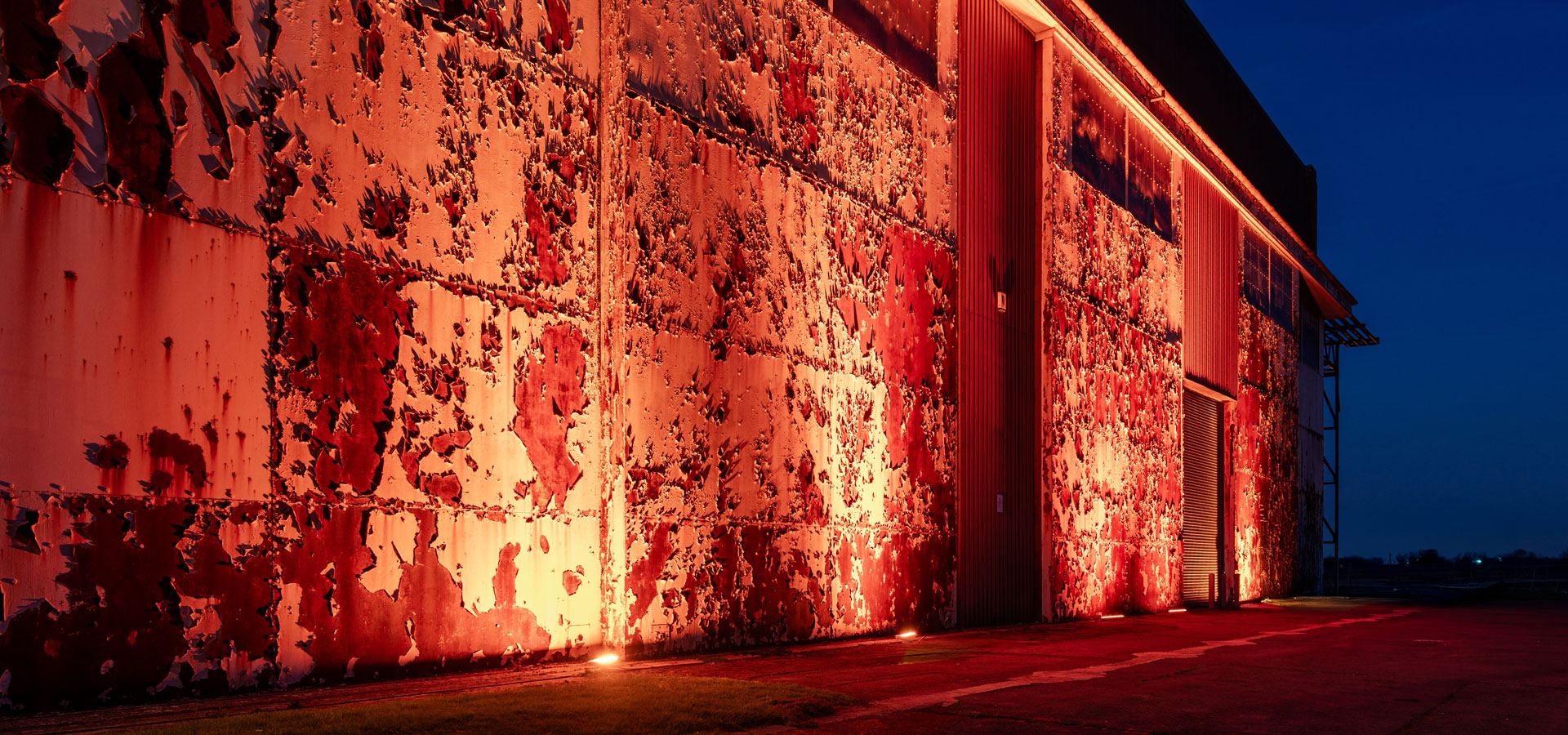
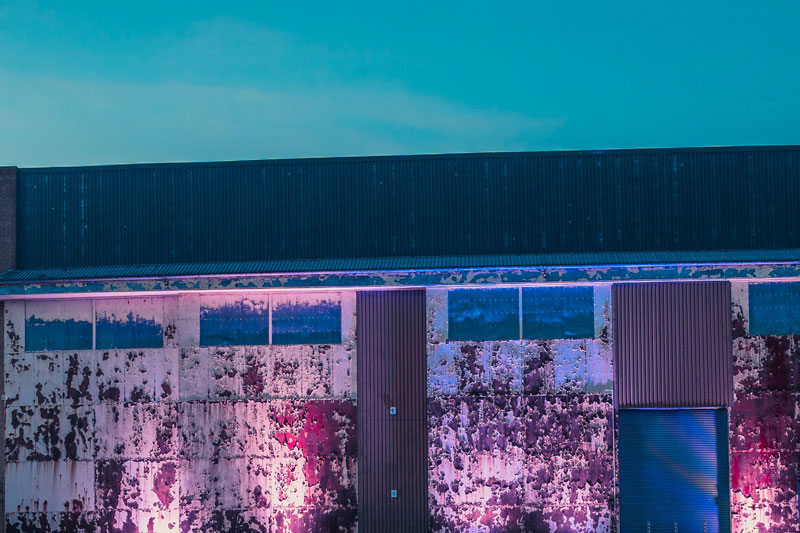
Grazing light across brickwork and aged metal surfaces revealed layers of texture that are not visible during the day. Weathering, patina and material variation became integral to the scheme.

This approach allows the architecture to retain its authenticity, with light enhancing rather than masking its character.

Design Development

The scheme evolved through a series of on-site night studies.

Testing intensity, angle and colour temperature in situ allowed the design to respond precisely to the architecture and landscape. As the process developed, opportunities emerged to create stronger connections between buildings and introduce a clearer visual hierarchy.

This iterative approach was critical in achieving balance across the site.

Outcome

The completed lighting scheme creates a cohesive and atmospheric environment across Bicester Motion.

By combining restraint with moments of contrast, the design enhances the experience of the site after dark while respecting its heritage context.

The result is a lighting strategy that supports wayfinding, reinforces identity and reveals the architecture with clarity and depth.

FAQs – Architectural Lighting Design

Architectural lighting design is the process of using light to enhance the form, function and experience of a building. It considers how light interacts with materials, space and surroundings—both during the day and at night.

Heritage lighting focuses on minimal intervention. This often means using external light sources, avoiding invasive installation, and carefully controlling intensity to protect both the building fabric and its setting.

Layered lighting creates depth and visual clarity. By separating foreground, midground and background elements, the space feels more legible and engaging, particularly across large or complex sites.

Yes. Exterior and architectural lighting requires careful coordination with architecture, landscape and planning constraints. A lighting designer ensures the scheme is both technically effective and visually cohesive.

A Century in Light – Marking 100 Years at Bicester Motion

March 5, 2026, by Jo Mann

There are certain places where history does not sit quietly in the background. It is embedded in the brickwork, in the scale of the buildings, in the geometry of the landscape. The Technical Site at Bicester Motion is one of them.

Originally constructed in 1926 as RAF Bicester, the site was designed with purpose and precision. Linear hangars stretch across the apron with industrial rhythm. The Watch Office rises with quiet authority. Pillboxes sit low and resolute against the ground. Even in stillness, the architecture carries discipline.

A Century in Light - Marking 100 Years at Bicester Motion

To be invited to illuminate this site as part of its centenary celebrations was both an honour and a responsibility.

At Light House Designs, we do not often undertake temporary installations. Our work is typically integrated, permanent, designed to endure. Yet A Century in Light felt different from the outset. This was not about spectacle for its own sake. It was about revealing what already existed — allowing the architecture to speak more clearly after dark.

Before any design decisions were made, we spent time observing. At dusk, the hierarchy of the buildings begins to shift. The Watch Office gradually loses its vertical prominence. The hangars flatten into silhouette. The landscape recedes, leaving structures visually detached from the ground. Our task became one of reinstating clarity: restoring balance between form and shadow, between presence and restraint.

The approach was deliberately measured. Architectural white light articulated structure without erasing texture. Brickwork retained its depth; shadows were preserved rather than flooded away. The Watch Office was gently grazed to restore its compositional authority, ensuring it once again led the site visually as darkness settled. The bunkers were treated with subtlety, their robust character maintained through quiet edge definition rather than overt illumination.

A Century in Light - Marking 100 Years at Bicester Motion

Landscape lighting played an essential, though understated, role. Without a considered ground plane, buildings appear to float in darkness. Soft illumination across the apron and around the mature fir and oak trees reconnected architecture to earth, stitching the site into a cohesive whole.

A contemporary layer was introduced with care. A projection of the Bicester Motion identity across the vast hangar doors acknowledged the site’s evolution — from historic RAF base to thriving centre for automotive innovation and engineering excellence. It was a forward-looking gesture, balanced against the stillness of the heritage architecture.

What made this project particularly special was the spirit of collaboration. The team at Bicester Motion approached the centenary with genuine reverence for the site’s significance. Every intervention was considered in dialogue. There was a shared understanding that lighting must enhance, not impose; celebrate, not overshadow.

A Century in Light - Marking 100 Years at Bicester Motion

On the first evening of full illumination, the transformation was subtle yet profound. As daylight faded, the Watch Office regained its stature against the sky. The hangars recovered their rhythm and scale. The bunkers emerged with quiet integrity. The landscape held everything in balance. The architecture had not been altered. It had simply been given clarity.

Although conceived as a temporary installation to mark one hundred years, A Century in Light reflects principles that underpin all of our work. Lighting is not about brightness; it is about balance. It is not about drawing attention to itself; it is about deepening understanding of place.

A Century in Light - Marking 100 Years at Bicester Motion

Bicester Motion’s story bridges aviation heritage and future innovation. Our contribution was to ensure that, after dark, that story remained visible — honouring what was built and illuminating what lies ahead.

From historic estates to contemporary campuses, we design lighting that strengthens identity, enhances experience and respects architectural integrity.

Talk to our team about your project.